
Plan a Better BC Getaway: Outdoor Activities and Peaceful Places Worth Exploring

A British Columbia getaway can be much more than a break from work and everyday responsibilities. With its expansive forests, peaceful lakes, rugged coastline, and spectacular mountain scenery, British Columbia offers travelers countless opportunities to slow down, reconnect with nature, and make space for reflection. For individuals interested in emotional wellness or addiction recovery, choosing outdoor activities that promote healthy recreation can make a trip more meaningful. Travel does not replace professional addiction or mental health treatment, but time spent in restorative surroundings can complement recovery by encouraging mindfulness, movement, relaxation, and healthier ways to manage stress.

At Blogcat Recovery, the focus is on compassionate, individualized care that recognizes every person’s recovery journey is different. Addiction can affect physical health, emotional well-being, relationships, and a person’s sense of purpose. Inpatient and outpatient care, mental health support, holistic approaches, and faith-based services for those who choose them can provide a strong foundation for lasting change. A thoughtfully planned British Columbia getaway can complement that foundation by giving people opportunities to practice healthy habits in real world settings.

Why Plan a Wellness Focused BC Getaway?

The way you travel can have a significant effect on how you feel when you return home. A packed itinerary may provide plenty of entertainment, but it can also create fatigue and stress.

A better approach is to build a trip around experiences that allow you to slow down. Spend time outdoors. Choose activities that match your energy level. Leave space between excursions. Most importantly, avoid treating your vacation like another task that needs to be completed.

For someone working on recovery, this slower approach can reinforce an important lesson: rest and enjoyment do not need to involve substances or unhealthy coping behaviors.

Peaceful Places Worth Exploring in British Columbia

Find Coastal Calm in Tofino

Tofino offers a memorable combination of beaches, forests, ocean views, and a relaxed atmosphere. It is an excellent setting for travelers who want to combine outdoor exploration with quiet reflection.

Take a walk along the beach and resist the urge to rush. Listen to the waves, observe the horizon, and pay attention to your breathing. These simple actions can turn an ordinary walk into a mindfulness exercise.

If you are traveling as part of a recovery focused lifestyle, consider making the beach an opportunity to practice being present rather than simply another sightseeing stop.

Slow Down Beside Okanagan Lake

The Okanagan Valley is known for beautiful lakes and open landscapes that provide plenty of opportunities for relaxed recreation.

Spend an afternoon beside Okanagan Lake with a book, journal, or picnic. Take a gentle shoreline walk or simply sit and watch the water.

Quiet time can be surprisingly valuable. When the normal demands of life become quieter, people often have more room to recognize emotions, consider personal goals, and appreciate progress.

Explore Forest Trails

British Columbia’s forests provide some of the province’s most accessible opportunities for outdoor wellness.

You do not need to complete a difficult hike. Choose a trail appropriate for your fitness and experience level. Walk slowly enough to notice your surroundings.

Pay attention to the scent of trees, the sound of birds, the movement of leaves, and the feeling of the ground beneath your feet. This type of sensory awareness can be a useful grounding practice when stress or anxious thoughts become overwhelming.

Take in the Mountains Around Whistler

Whistler is famous for adventure, but its mountain landscapes can also provide peaceful opportunities for reflection.

Choose a scenic trail or viewpoint that fits your abilities. Take breaks when needed and allow yourself to enjoy the surroundings.

A mountain hike can also offer a useful metaphor for recovery. Progress is rarely a straight line. Some sections feel easy, while others require patience and effort. Continuing forward, one step at a time, matters more than reaching the destination quickly.

Outdoor Activities for a Healthier Mind

Practice Mindful Walking

Mindful walking is one of the simplest activities to include in a BC getaway. Walk at a comfortable pace and focus on your breathing and surroundings.

When your mind wanders, bring your attention back to the present. There is no need to criticize yourself for becoming distracted. The practice is simply about returning your attention to the moment.

Try Kayaking or Canoeing

For visitors who have appropriate experience and access to safe conditions, kayaking and canoeing can provide a peaceful combination of movement and nature.

The repetitive rhythm of paddling encourages concentration. Being on the water also creates a natural opportunity to step away from screens and other distractions.

Always check local conditions, follow safety guidance, and choose activities that match your abilities.

Make Time for Photography

Nature photography encourages observation. Instead of simply passing through a beautiful location, you begin looking more carefully at light, texture, colour, and movement.

You might photograph a mountain reflection, a forest path, a shoreline, or wildlife. The finished image is less important than the process of paying attention.

Watch a Sunrise or Sunset

A sunrise or sunset requires little physical effort but can become one of the most meaningful moments of a trip.

Find a safe location, put your phone away, and give yourself time to observe the changing sky. Use the moment to think about what you are grateful for or what you hope to carry into the next chapter of your life.

How to Plan a Recovery Friendly Vacation

A beautiful destination does not automatically make a trip healthy. Planning matters, particularly for individuals who are early in recovery or managing mental health concerns.

Know Your Triggers

Before traveling, think about situations that could create stress or increase the temptation to return to unhealthy behaviors.

Choose accommodations, activities, and social settings that support your current recovery goals. If certain environments are not appropriate for you right now, there is no shame in avoiding them.

Protect Your Daily Routine

A vacation can be flexible without completely abandoning the routines that help you stay well.

Prioritize adequate sleep, regular meals, hydration, physical activity, and time for reflection. If you participate in counseling, peer support, or another recovery service, plan ahead so you can maintain those connections while away.

Leave Room for Rest

Do not schedule every hour. Give yourself permission to change plans if you are tired or overwhelmed.

A meaningful getaway should support your well-being rather than create another source of pressure.

Connecting Nature With Holistic Recovery

Holistic recovery recognizes that addiction and mental health challenges can affect many areas of a person’s life. Treatment may need to address emotional health, physical wellness, relationships, personal values, and spiritual needs.

Blogcat Recovery’s client centered philosophy emphasizes individualized care alongside addiction recovery and mental health support. Inpatient and outpatient treatment can provide different levels of structure depending on a person’s needs. Holistic approaches can complement clinical care, while faith-based support may offer additional encouragement for individuals who want spirituality to be part of their recovery.

Outdoor activities can reinforce these principles in everyday life. Mindful walking can strengthen grounding skills. Physical activity can support healthier routines. Quiet time can encourage self-awareness. Nature can provide a setting where people practice responding to stress without turning to substances.

However, it is important to keep expectations realistic. A BC getaway is not a substitute for professional addiction treatment or mental health care. If substance use or emotional difficulties are significantly affecting your life, qualified support should remain an important part of your plan.

Bring the Benefits of Your BC Getaway Home

The best travel experiences often leave you with habits you can continue after returning home.

Consider what made you feel most relaxed during your trip. Maybe it was walking beside the water, spending time in a forest, beginning the morning without your phone, or sitting quietly with a cup of coffee while enjoying a mountain view.

Then find ways to recreate those experiences in your everyday routine.

A short daily walk can provide time for reflection. A few minutes of mindful breathing can help manage stress. Regular outdoor activities can support physical and emotional wellness. A gratitude journal can help you recognize positive changes.

These small practices may seem simple, but consistency matters in recovery.

Make Your Next BC Getaway More Meaningful

British Columbia provides an extraordinary setting for travelers who want to combine exploration with rest and reflection. From Tofino’s beaches and Okanagan Lake to forest trails and mountain viewpoints, there are countless ways to enjoy the province without creating an exhausting itinerary.

For individuals pursuing addiction recovery or improved mental wellness, intentional travel can be one piece of a broader healthy lifestyle. The goal is not to find a destination that magically solves life’s problems. Instead, it is to create experiences that support healthier choices, encourage self awareness, and remind you that relaxation can be positive and restorative.

If addiction or mental health challenges are making it difficult to find balance, professional support can provide the foundation you need. Blogcat Recovery is committed to compassionate, individualized care that respects each person’s circumstances and goals. With inpatient and outpatient services, mental health support, holistic approaches, and faith-based care for those who choose it, treatment can help you build practical tools for lasting recovery.

Your next chapter does not have to look like your past. Reach out to Blogcat Recovery to explore your options for support and take a meaningful step toward greater health, purpose, and lasting recovery.
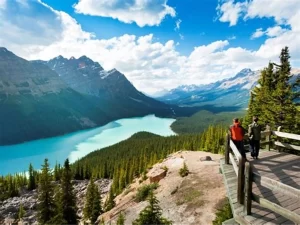
British Columbia Travel Guide: Scenic Things to Do for Rest, Reflection, and Renewal

British Columbia offers travelers far more than impressive scenery. With its peaceful lakes, coastal communities, forests, mountains, and open spaces, the province provides countless opportunities to slow down and enjoy experiences that encourage rest and reflection. For people interested in emotional wellness or addiction recovery, a thoughtful British Columbia getaway can also create space for healthy recreation, mindfulness, and personal growth. Travel is not a replacement for professional treatment, but when approached intentionally, time in nature can complement the habits and coping skills that support a healthier life.
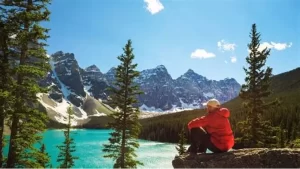
At Blogcat Recovery, we recognize that recovery involves the whole person. Addiction can affect physical health, emotional well-being, relationships, and a person’s sense of purpose. Individualized treatment, mental health support, inpatient and outpatient care, holistic approaches, and faith-based guidance can help address these different dimensions of healing. Meaningful experiences in British Columbia can complement that work by encouraging people to reconnect with themselves and develop healthier ways to manage stress.

Why Choose a Scenic British Columbia Getaway?

A successful vacation does not always require a packed schedule. In fact, constantly moving from one attraction to another can leave you feeling more exhausted than refreshed.

A slower travel experience creates room for awareness. You can take a walk without worrying about reaching a certain destination, sit beside a lake without checking the time, or enjoy a quiet morning before beginning your day.

For someone working on emotional wellness, these simple choices can be meaningful. They provide opportunities to practice mindfulness and notice how your body and mind respond when everyday pressures are reduced.

Scenic Things to Do in British Columbia

Walk Along the Beaches of Tofino

Tofino is an excellent choice for travelers who want to combine beautiful scenery with quiet reflection. Its beaches, forests, and Pacific Ocean views create a natural setting for slowing down.

Try taking an early morning or evening beach walk. Instead of treating it as exercise alone, focus on the experience. Listen to the waves, notice the temperature of the air, and observe the changing colours of the sky.

This type of mindful walking can help you stay connected to the present rather than becoming caught up in worries about the past or future.

Spend Quiet Time Near Okanagan Lake

The Okanagan Valley offers a different kind of British Columbia experience. Its lakes, hills, and open landscapes make it well suited to relaxed outdoor activities.

Plan an afternoon beside Okanagan Lake with a book or journal. Take a gentle walk along the water, practice deep breathing, or simply sit and observe your surroundings.

You do not need to fill every minute with entertainment. Sometimes the most restorative part of a getaway is having enough time to think.

Explore British Columbia’s Forests

Forests are among the province’s most distinctive natural environments. Walking beneath tall trees can provide a welcome change from busy urban surroundings.

Try a slow nature walk rather than focusing on distance or speed. Pay attention to birdsong, moving water, leaves, sunlight, and the texture of the trail.

This can become a simple grounding exercise. When your thoughts become distracting, gently return your attention to something you can see, hear, smell, or feel.

Enjoy Mountain Views Around Whistler

Whistler is well known for outdoor adventure, but its mountain environment can also provide opportunities for quiet reflection.

Choose a trail appropriate for your fitness level and leave enough time to stop at scenic viewpoints. Rather than making the hike a competition, allow yourself to enjoy the process.

The experience can offer a useful reminder for people in recovery: meaningful progress does not happen all at once. It happens through consistent steps.

Meaningful Activities for Rest and Renewal

Practice Mindful Walking

Mindful walking is simple and accessible. Walk at a comfortable pace and focus on your breathing, your surroundings, and the movement of your body.

If your attention wanders, simply bring it back to the present. There is no need to judge yourself for becoming distracted.

Keep a Travel Journal

A journal can turn a sightseeing trip into an opportunity for self-reflection.

After visiting a scenic location, write about what you noticed and how the experience made you feel. You might also record three things you appreciate or one positive change you have made recently.

Journaling can help you recognize progress that might otherwise be easy to overlook.

Try Nature Photography

Photography encourages you to slow down and look closely. You might photograph a mountain reflection, a forest path, a shoreline, or a small detail that catches your attention.

The goal does not have to be producing a perfect photograph. Instead, use the activity to become more observant and present.

Make Rest Part of the Itinerary

Rest should not be something you squeeze between activities. Give yourself permission to plan slower mornings, quiet afternoons, and evenings without a long list of attractions.

This is particularly important for anyone who is trying to reduce stress. A restorative trip should leave you feeling supported, not overwhelmed.

Connecting Travel With Addiction Recovery

A British Columbia getaway can be a healthy part of a broader lifestyle, but it is important to maintain realistic expectations. Travel does not treat addiction on its own, and beautiful scenery cannot replace professional mental health or substance use care.

For people in recovery, it is helpful to consider whether a destination and itinerary support their current needs.

Choose Healthy Environments

Consider activities that make it easier to maintain your recovery goals. Nature walks, photography, kayaking, sightseeing, journaling, and quiet time can provide positive alternatives to environments that may increase stress or exposure to triggers.

If you are newly sober, think carefully about the social settings you will encounter and whether you have appropriate support available.

Maintain Your Wellness Routine

Travel does not have to mean abandoning healthy habits. Continue prioritizing adequate sleep, regular meals, hydration, physical activity, prescribed treatment, and supportive connections.

If you participate in counseling, peer support, or another recovery program, plan ahead for how you will maintain that connection while traveling.

How Holistic Care Supports the Recovery Journey

At Blogcat Recovery, we understand that effective recovery involves more than addressing substance use. Physical health, emotional stability, relationships, personal values, and spiritual well-being can all play important roles.

The site’s approach combines evidence-based treatment with holistic strategies, individualized care, and faith-based support for people who want spiritual guidance included in their recovery. Inpatient and outpatient options can provide different levels of structure based on an individual’s circumstances and needs.

Nature can complement this approach by giving people practical opportunities to use healthy coping strategies. Mindful walking can reinforce grounding. Quiet reflection can encourage self-awareness. Physical activity can support healthy routines. Time outdoors can simply provide a welcome opportunity to breathe and reset.

Turning a British Columbia Trip Into Lasting Wellness

The most valuable part of a restorative getaway may be what you bring home with you.

Think about which experiences helped you feel calm. Perhaps it was walking beside the ocean, sitting near a lake, exploring a forest, or starting the morning without immediately reaching for your phone.

Then find ways to incorporate those practices into your regular routine.

A short daily walk can provide a similar opportunity for reflection. A few minutes of mindful breathing can help when stress builds. Keeping a gratitude journal can encourage you to notice positive moments. Scheduling regular time outdoors can provide a healthy break from screens and responsibilities.

These small habits can reinforce the skills developed through professional treatment and support continued personal growth.

Plan a Getaway That Gives You Room to Breathe

British Columbia’s scenic beauty makes it an ideal destination for travelers who want to experience more than traditional sightseeing. From Tofino’s coastline and the Okanagan’s lakes to peaceful forests and mountain viewpoints, there are countless opportunities to explore at a healthier pace.

For individuals interested in recovery and emotional wellness, the key is intentionality. Choose experiences that encourage calm rather than pressure. Make room for reflection. Protect your routines. Most importantly, recognize that professional support remains an important part of recovery when addiction or mental health challenges are affecting your life.

At Blogcat Recovery, compassionate care is built around the individual. Through individualized treatment, inpatient and outpatient services, holistic approaches, and faith-based support, the goal is to help people develop a healthier foundation for lasting recovery.

If you or someone you love is struggling with addiction or mental health concerns, you do not have to navigate the journey alone. Reach out to Blogcat Recovery to learn more about available support and take the next step toward greater balance, renewed hope, and a healthier future.

Beyond the Tourist Trail: Unique Things to Do in British Columbia for a More Meaningful Getaway

A British Columbia getaway does not have to revolve around crowded attractions, packed itineraries, or checking famous landmarks off a list. Some of the most meaningful travel experiences happen when you slow down, explore with intention, and make room for reflection. From quiet coastal walks and forest exploration to peaceful time beside a lake, British Columbia offers countless ways to reconnect with yourself while enjoying the outdoors. For people interested in emotional wellness or addiction recovery, these experiences can encourage mindfulness, healthy recreation, and a renewed sense of perspective. Travel is not a replacement for professional treatment, but it can complement a healthy lifestyle and reinforce positive coping habits.

Blogcat Recovery recognizes that lasting recovery involves the whole person. Addiction can affect physical health, emotional stability, relationships, and a person’s sense of purpose. Individualized care, mental health support, inpatient and outpatient treatment, holistic approaches, and faith based guidance can help address these different needs. Meaningful time in nature can complement that work by creating opportunities to practice calm, awareness, and healthy routines.

Why Choose Meaningful Travel in British Columbia?

A vacation can provide temporary relief from stress, but intentional travel can offer something more valuable. It can give you space to consider what you want from your life and which habits support your well being.

British Columbia is particularly suited to this type of travel. The province combines ocean landscapes, old growth forests, mountain scenery, lakes, rivers, and peaceful communities. Instead of rushing between attractions, visitors can choose experiences that encourage them to slow down.

For someone in recovery, that change of pace can be helpful. Healthy recreation gives you an opportunity to experience enjoyment without relying on substances or other harmful behaviors.

Unique Things to Do in British Columbia Beyond the Usual Attractions

Explore the Quiet Side of Vancouver Island

Vancouver Island is well known for Victoria and Tofino, but there are many quieter areas where visitors can spend time outdoors without building an exhausting schedule.

Choose a less crowded walking route, visit a small coastal community, or find a peaceful place to watch the water. The goal is not to see everything. Instead, allow yourself time to notice the environment around you.

Practice grounding as you walk. Notice the sound of the wind, the texture of tree bark, the smell of the forest, and the movement of the water. Focusing on these details can help bring attention back to the present.

Spend an Afternoon Beside a BC Lake

British Columbia has no shortage of beautiful lakes. Rather than treating a lake visit as a quick photo opportunity, make it the centerpiece of a slower afternoon.

Bring a book, journal, or picnic. Take a gentle walk along the shoreline. Sit quietly and watch the changing reflections on the water.

For people working on emotional wellness, quiet time can provide an opportunity to recognize feelings without immediately trying to escape them. That ability to pause and observe emotions is an important part of developing healthier coping skills.

Take a Forest Bathing Walk

Forest bathing is a simple practice that involves slowing down and immersing yourself in a natural environment. It does not require strenuous hiking or specialized equipment.

Find a safe forest trail and walk at a comfortable pace. Put away your phone for a while and pay attention to your surroundings.

Listen for birds. Notice the movement of leaves. Take slow breaths. Give yourself permission to stop and simply observe.

Blogcat Recovery has previously highlighted nature based experiences, including forest bathing, as ways to support mindfulness and emotional wellness during recovery.

Try a Creative Outdoor Activity

You do not have to be an experienced adventurer to enjoy British Columbia’s natural beauty. Creative activities can make a getaway more personal and reflective.

Try nature photography, sketching, writing, or painting outdoors. Instead of worrying about creating something perfect, focus on observing your surroundings.

Photography can be particularly useful because it encourages you to look closely. A mountain vista may be impressive, but so can a reflection in a puddle, sunlight through cedar branches, or waves moving across a shoreline.

Turn Outdoor Recreation Into a Mindfulness Practice

Practice Mindful Walking

Walking is one of the easiest ways to combine movement and mindfulness. Choose a route that matches your fitness level and avoid making distance the primary goal.

Pay attention to your breathing and the movement of your feet. When distracting thoughts appear, acknowledge them and gently return your attention to your surroundings.

Spend Time on the Water

Kayaking and canoeing can provide a peaceful combination of physical activity and focused attention. British Columbia’s lakes and waterways offer many opportunities for paddling, although visitors should always choose locations appropriate for their experience and follow local safety guidance.

The repetitive rhythm of paddling can encourage concentration. It can also create a welcome break from screens, notifications, and everyday responsibilities.

Watch the Sunrise or Sunset

A sunrise or sunset requires very little planning, yet it can become one of the most memorable experiences of a trip.

Find a safe viewpoint, arrive early, and resist the urge to immediately reach for your phone. Give yourself several quiet minutes to observe the changing sky.

Moments like these can encourage gratitude and remind you that meaningful experiences do not always require spending money or pursuing excitement.

Make Your Getaway Support Recovery

Travel can be enjoyable, but people in addiction recovery should consider their individual circumstances before planning a getaway. Certain destinations, social settings, or activities may involve triggers or environments that could make maintaining sobriety more difficult.

Choose Activities That Match Your Recovery Goals

If your goal is stress reduction, a packed schedule may work against you. Instead, choose a few meaningful activities and leave enough time for rest.

If physical activity helps you manage stress, consider hiking, walking, swimming, or another appropriate outdoor activity. If quiet reflection is more beneficial, prioritize peaceful scenery, journaling, or meditation.

The best getaway is one that supports your needs rather than someone else’s idea of an ideal vacation.

Protect Your Routine

Healthy routines remain important while traveling. Try to maintain regular sleep, nutritious meals, hydration, medication schedules when applicable, and appropriate support.

If you participate in counseling, peer support, or another recovery service, consider how you will maintain that connection while away.

A vacation should support your recovery rather than interrupt the structure that helps you stay well.

How Holistic Treatment Fits Into the Bigger Picture

Holistic recovery recognizes that addiction affects more than one part of a person’s life. Treatment may need to address emotional health, physical wellness, relationships, personal values, and spiritual needs.

Blogcat Recovery’s approach emphasizes individualized care, evidence based treatment, holistic strategies, and faith based support for those who want it. Inpatient and outpatient programs can provide different levels of structure based on an individual’s circumstances and treatment needs.

Nature based activities can complement these approaches. A mindful walk, quiet afternoon beside a lake, or creative outdoor activity can provide opportunities to practice skills such as grounding, reflection, patience, and stress management.

However, it is important to keep expectations realistic. A British Columbia getaway cannot cure addiction or replace professional mental health treatment. For individuals dealing with substance use or significant emotional challenges, qualified professional support remains an important part of recovery.

Bring the Lessons of Your Trip Home

The greatest value of meaningful travel may be what happens after you return.

Think about the experiences that helped you feel most relaxed. Was it walking through a forest? Sitting near the water? Starting the morning without checking your phone? Writing in a journal? Spending uninterrupted time with someone you trust?

Then consider how you can recreate those experiences at home.

A daily walk, regular time outdoors, mindful breathing, gratitude journaling, or scheduled periods without digital distractions can become practical parts of a healthier lifestyle.

Recovery is built through everyday choices. A getaway can provide inspiration, but lasting change comes from continuing those healthy choices after the trip ends.

Take the Next Step Toward a Healthier Future

British Columbia offers much more than famous attractions. Its quieter experiences can give travelers opportunities to slow down, explore intentionally, and reconnect with the people, values, and goals that matter most.

For someone pursuing addiction recovery or better mental health, meaningful travel can be one part of a broader wellness lifestyle. When paired with individualized professional treatment, healthy routines, supportive relationships, and holistic practices, time in nature can reinforce the skills needed for lasting change.

If addiction or mental health challenges are making it difficult to move forward, you do not have to handle the journey alone. Blogcat Recovery provides compassionate, individualized support designed around each person’s needs, including inpatient and outpatient care, holistic approaches, and faith based guidance.

A healthier future begins with one meaningful step. Reach out to Blogcat Recovery to explore your treatment options and begin building a life grounded in balance, purpose, and lasting recovery.

Peaceful Adventures in British Columbia: Where Outdoor Exploration Meets Emotional Well-Being

British Columbia offers a rare combination of adventure and tranquility. Its dramatic coastlines, quiet forests, alpine lakes, and mountain trails give travelers countless ways to explore while creating space to slow down and reconnect with themselves. For individuals navigating addiction recovery or mental health challenges, these outdoor experiences can be more than enjoyable activities. They can encourage mindfulness, reduce everyday stress, and support healthier ways of managing emotions. Although travel cannot replace professional treatment, a thoughtful getaway can complement a recovery plan by creating opportunities for reflection, healthy recreation, and personal growth.

At Blogcat Recovery, we believe meaningful recovery involves the whole person. Addiction affects physical health, emotional well-being, relationships, and often a person’s sense of purpose. Our individualized approach combines professional addiction treatment with mental health support, inpatient and outpatient care, holistic services, and faith-based guidance for individuals who choose it. Time spent in nature can complement these efforts by helping people practice the skills needed to build a balanced and fulfilling life.

Why Outdoor Exploration Can Support Emotional Well-Being

Recovery often requires learning healthier responses to stress. When difficult emotions arise, having positive activities available can make it easier to avoid returning to unhealthy coping patterns.

Outdoor activities offer a natural way to create distance from daily pressures. Walking through a forest, sitting beside a lake, or looking across a mountain valley can encourage the mind to settle. Physical movement can also support mood and reduce tension.

Most importantly, nature encourages presence. Instead of focusing on yesterday’s mistakes or tomorrow’s worries, travelers can pay attention to what is happening right now. This is one of the foundations of mindfulness and an important skill for long-term emotional wellness.

Peaceful British Columbia Adventures Worth Experiencing

Walk the Beaches of Tofino

Tofino is an ideal destination for travelers seeking coastal calm. The community is surrounded by ocean, beaches, forests, and breathtaking views.

A simple beach walk can become a mindful experience. Listen to the waves, notice the changing light, and pay attention to your breathing. There is no need to rush. Allowing yourself to move at a comfortable pace creates an opportunity to relax and reflect.

For individuals in recovery, peaceful coastal walks can serve as a healthy alternative to spending free time in stressful or triggering environments.

Explore the Forests of Vancouver Island

Vancouver Island provides countless opportunities to experience British Columbia’s forests. Walking beneath towering trees can create a feeling of quiet that is difficult to find in busy urban settings.

Forest walks can also encourage grounding. Notice the texture of tree bark, the scent of the forest, and the sounds of birds or moving water. Focusing on these details helps bring attention back to the present.

Spend Time Beside Okanagan Lake

The Okanagan Valley combines beautiful scenery with opportunities for relaxed outdoor recreation. Time near Okanagan Lake can provide a peaceful setting for reading, journaling, walking, or simply enjoying the view.

Consider setting aside part of the day without a strict schedule. This gives you room to reflect on your goals, recognize your progress, and think about the habits you want to carry forward.

Hike With Intention in Whistler

Whistler is known for its mountains and outdoor activities, but its trails can also provide meaningful opportunities for personal reflection.

Choose a trail that matches your fitness level rather than focusing on difficulty or distance. During the walk, pay attention to your breathing and surroundings. Reaching a scenic viewpoint can become a reminder that meaningful progress happens one step at a time.

Mindful Outdoor Activities for a Healthier Mind

Practice Mindful Walking

Mindful walking does not require special equipment. Simply slow your pace and concentrate on the movement of your body.

Notice each step and take steady breaths. When your mind wanders, gently bring your attention back to your surroundings.

Try Nature Photography

Photography encourages you to look closely at your environment. Instead of trying to capture everything, focus on small details such as leaves, reflections, clouds, or wildlife.

This activity can encourage gratitude and help shift attention away from stressful thoughts.

Make Time for Journaling

Bring a notebook on your outdoor adventures. After a walk or quiet period beside the water, write down what you noticed and how you felt.

You might also record three things you are grateful for or one positive change you have made in your recovery journey.

Choose Rest as an Activity

Rest is an important part of wellness. You do not need to fill every moment with sightseeing.

A quiet morning, an afternoon beside a lake, or an early evening walk can be just as valuable as an ambitious outdoor adventure.

How Holistic Recovery Connects With Nature

At Blogcat Recovery, we understand that effective treatment should address more than the symptoms of addiction. Recovery involves physical health, emotional stability, relationships, personal values, and purpose.

Our individualized treatment plans incorporate evidence-based care alongside holistic approaches. Inpatient and outpatient programs provide different levels of support depending on each person’s needs. Faith-based services can also provide spiritual encouragement for those who want that dimension included in their recovery.

Nature complements these approaches by providing opportunities to practice relaxation, mindfulness, healthy recreation, and emotional awareness.

However, it is important to remember that outdoor activities should complement professional care rather than replace it. Individuals experiencing significant mental health or substance use concerns should work with qualified professionals to determine the appropriate level of treatment and support.

Turning a Getaway Into a Lasting Wellness Practice

A meaningful British Columbia adventure does not have to end when you return home. The habits developed during a peaceful trip can become part of everyday life.

Schedule regular walks. Spend time outdoors without your phone. Practice mindful breathing when stress builds. Keep a journal. Make space for quiet reflection.

These small choices can help reinforce the healthy coping skills developed through treatment.

Most importantly, remember that recovery is not a race. Progress can include setbacks, difficult days, and periods when motivation feels low. What matters is continuing to seek support and choosing healthier steps whenever possible.

Take the Next Step Toward Emotional Wellness

British Columbia’s outdoor landscapes offer countless opportunities to explore, breathe, and reconnect. From peaceful beaches and forests to lakes and mountain trails, these experiences can encourage mindfulness and emotional well-being while supporting a healthier lifestyle.

If addiction or mental health challenges are making it difficult to find balance, professional support can provide the foundation for meaningful change. Blogcat Recovery offers compassionate, individualized care designed to meet people where they are. Through inpatient and outpatient treatment, mental health services, holistic approaches, and faith-based support, our goal is to help clients build lasting recovery and renewed hope.

You do not have to navigate recovery alone. Reach out to Blogcat Recovery to learn more about available treatment options and take the next step toward a healthier, more purposeful future.

The Healing Beauty of British Columbia: A Traveler’s Guide to Nature, Mindfulness, and Renewal

British Columbia is a place where nature has a remarkable way of slowing life down. Snow-capped mountains, ancient forests, peaceful lakes, and rugged coastlines invite visitors to breathe deeply, clear their minds, and reconnect with what truly matters. While these breathtaking landscapes attract travelers from around the world, they also offer something much more meaningful. For individuals navigating addiction recovery or seeking better mental health, British Columbia provides restorative experiences that encourage reflection, resilience, and emotional renewal. Although travel cannot replace professional addiction treatment or mental health care, it can become a valuable companion to a comprehensive healing journey.

At Blogcat Recovery, we recognize that lasting wellness requires more than addressing substance use alone. Recovery involves healing the whole person through compassionate support, evidence-based therapies, individualized treatment plans, and holistic approaches that nurture the mind, body, and spirit. For those who desire it, faith-based guidance can also provide strength and hope throughout recovery. Spending intentional time in nature complements these services by creating opportunities to practice mindfulness, reduce stress, and build healthier daily habits.

Why Nature Supports Mental Wellness and Recovery

Recovery is an ongoing process of creating healthier ways to respond to life’s challenges. Stress, anxiety, and emotional overwhelm can make that journey more difficult. Fortunately, spending time outdoors has been shown to support emotional well-being in meaningful ways.

Natural environments encourage slower breathing, greater focus, and improved emotional regulation. They also reduce many of the distractions that contribute to daily stress. Whether someone is sitting beside a quiet lake or walking through a peaceful forest, these moments encourage mindfulness and promote a stronger connection with the present.

For individuals recovering from addiction, learning to experience calm without relying on unhealthy coping mechanisms is an important milestone. Nature provides a safe and inspiring setting to develop that skill.

British Columbia Destinations That Inspire Renewal

Tofino: Finding Peace Along the Coast

Tofino offers one of the most relaxing coastal experiences in Canada. Wide sandy beaches, fresh ocean air, and the soothing rhythm of the Pacific Ocean create an atmosphere that naturally encourages reflection.

Walking along the shoreline, watching the sunset, or simply listening to the waves helps quiet racing thoughts and promotes emotional balance. These peaceful experiences remind visitors that healing often begins with slowing down.

Okanagan Valley: Calm Waters and Fresh Perspectives

The Okanagan Valley is known for its beautiful lakes, rolling hills, and welcoming atmosphere. Spending time near Okanagan Lake offers opportunities to relax, journal, or practice mindful breathing while surrounded by breathtaking scenery.

Water has a unique ability to encourage stillness. Moments spent beside the lake often become opportunities to reflect on personal growth and recognize the progress made throughout recovery.

Garibaldi Provincial Park: Forests That Encourage Mindfulness

Garibaldi Provincial Park is a destination where towering trees, alpine lakes, and scenic trails create an ideal setting for emotional restoration.

Walking through the forest encourages mindful awareness by drawing attention to the sounds of nature, the fresh mountain air, and the steady rhythm of each step. Gentle physical activity also supports mental health by reducing stress and improving overall well-being.

Whistler: Mountains That Build Resilience

Whistler is well known for outdoor adventure, but it also provides countless opportunities for quiet reflection. Scenic hiking trails and panoramic viewpoints inspire visitors to appreciate the journey rather than focusing only on the destination.

This perspective mirrors the recovery process. Lasting healing is achieved through consistent progress, patience, and perseverance rather than immediate results.

Mindfulness Practices to Include During Your Getaway

Slow Down and Breathe

Mindfulness begins with something simple. Pause for a few moments, breathe deeply, and notice the sights, sounds, and sensations around you.

Practicing this throughout the day helps reduce anxiety while improving emotional awareness.

Keep a Reflection Journal

Writing about your travel experiences creates space to process emotions, celebrate accomplishments, and identify future goals.

Journaling also encourages gratitude, which can strengthen emotional resilience during recovery.

Embrace Quiet Moments

Not every memorable experience involves constant activity. Sitting beside a lake, watching wildlife, or enjoying the morning sunrise often provides the greatest sense of peace.

These moments remind us that healing frequently happens during periods of stillness.

Stay Present Throughout Your Journey

Rather than rushing from one destination to another, allow yourself to fully experience each location. Being present helps transform ordinary travel into meaningful self-discovery.

How Holistic Treatment Encourages Lasting Recovery

At Blogcat Recovery, we understand that no two recovery journeys are alike. Every individual arrives with unique experiences, challenges, and goals. That is why we develop personalized treatment plans that address every aspect of well-being.

Our inpatient and outpatient programs combine evidence-based therapies with holistic approaches that support physical, emotional, and spiritual health. Clients who desire spiritual guidance also benefit from compassionate faith-based care that promotes hope and resilience.

Nature aligns beautifully with this philosophy by encouraging mindfulness, reducing stress, and supporting healthy emotional regulation. Together, professional treatment and restorative experiences create a comprehensive path toward lasting recovery.

Bringing Nature’s Lessons Into Everyday Life

The benefits of a restorative getaway do not end when the vacation is over. Many of the practices learned while exploring British Columbia can continue at home.

Daily walks outdoors, mindful breathing exercises, gratitude journaling, and intentional breaks from digital distractions all contribute to better mental health. These simple habits reinforce the healthy coping skills developed during addiction treatment and encourage continued personal growth.

Recovery is not about perfection. It is about making consistent choices that move you toward greater health, hope, and purpose.

Begin Your Journey Toward Healing Today

British Columbia’s extraordinary landscapes remind us that renewal is always possible. Every peaceful trail, quiet shoreline, and mountain vista offers an opportunity to reflect, recharge, and reconnect with yourself. Combined with compassionate addiction treatment and personalized mental health care, these experiences can strengthen resilience and support lifelong recovery.

At Blogcat Recovery, we are committed to helping individuals and families build healthier futures through individualized inpatient and outpatient treatment, evidence-based therapies, holistic healing, and faith-based support. Our compassionate team understands the challenges of addiction and mental health, and we are here to provide guidance every step of the way.

If you or someone you love is ready to begin the journey toward lasting wellness, contact Blogcat Recovery today. Together, we can create a personalized treatment plan that empowers you to heal, grow, and embrace a brighter future.