
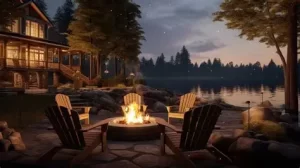
 A BC vacation does not have to be packed with expensive attractions or demanding adventures to be memorable. Some of the most meaningful experiences in British Columbia can be remarkably simple: drinking coffee beside a quiet lake, walking along the shoreline, exploring a local community, watching the sunset, or spending an afternoon surrounded by trees. For people working through addiction recovery or mental health challenges, these experiences can offer something especially valuable: healthy ways to slow down, manage stress, reconnect with others, and enjoy life without relying on substances.
British Columbia provides an exceptional setting for this kind of getaway. Its lakes, coastline, forests, parks, mountains, and communities give visitors plenty of choices. However, the best trip is not necessarily the one with the longest itinerary. It is the one that leaves you feeling refreshed rather than exhausted.
Travel is not a replacement for professional addiction treatment or mental health care. Still, a thoughtfully planned vacation can complement recovery by giving you opportunities to practise healthy routines and experience recreation in a positive environment.
Why Simple Activities Can Make a BC Vacation More Meaningful
There is often pressure to make a vacation exciting from beginning to end. People create long lists of attractions, book activities back to back, and worry about missing something.
That approach can become stressful.
A slower vacation creates room for experiences that do not require constant stimulation. You can wake up without rushing, spend time outside, have meaningful conversations, and notice what is happening around you.
For someone in recovery, this can be more important than it first appears.
Addiction can become closely connected with patterns of stress, avoidance, isolation, and unhealthy coping. Recovery involves developing different ways to respond. Simple activities such as walking, journaling, exercising, spending time with supportive people, and enjoying nature can become part of that process.
Start With a Peaceful Lakeside Morning
A quiet morning beside a lake can set the tone for an entire vacation.
Instead of immediately checking messages or rushing toward your first attraction, give yourself some time to wake up slowly. Have breakfast. Sit outdoors. Take a short walk along the shoreline.
You do not need a complicated mindfulness routine.
Simply notice your surroundings.
Listen to the water. Pay attention to the weather. Notice how your body feels after a good night’s sleep. Think about what you want from the day.
Try a Morning Reflection
If you keep a journal, bring it outside.
Write down three things you are grateful for, one thing you want to accomplish, and one thing you can let go of for the day.
This exercise can help you begin the morning with intention rather than immediately reacting to everything around you.
For someone in recovery, that small pause can reinforce an important principle: you have choices about how you respond to your thoughts, emotions, and circumstances.
Take a Relaxed Walk Near the Water
Walking is one of the easiest activities to include in a BC vacation.
You can explore a lakeside path, waterfront area, community trail, or suitable park route. The goal does not have to be exercise in the traditional sense.
Walk because it feels good to move.
Leave enough time to stop and enjoy the scenery. Take photographs. Talk with your travel companion. Sit on a bench for a while.
Use Walking as a Grounding Practice
If you find yourself becoming anxious or overwhelmed, use your surroundings to bring your attention back to the present.
Notice five things you can see. Listen for nearby sounds. Pay attention to your breathing and the feeling of your feet touching the ground.
Grounding does not eliminate difficult emotions. Instead, it can give you a moment to pause and regain awareness.
These skills can be useful during travel and long after you return home.
Explore a BC Community Without Rushing
Some of the best vacation experiences happen away from major attractions.
Choose a community that interests you and spend several hours simply exploring.
Walk through local streets. Visit independent businesses. Stop at a café. Look for a local market or cultural attraction. Enjoy a meal without checking the time every few minutes.
This type of experience can make travel feel more personal.
It can also provide opportunities for healthy social interaction. For someone rebuilding relationships during recovery, being around supportive people and participating in ordinary social experiences can be an important part of rediscovering connection.
Make Time for a Simple Outdoor Meal
A picnic beside a lake, in a park, or near the coast can turn an ordinary afternoon into a memorable experience.
Choose food that works for your needs and find a comfortable place to sit. If you are travelling with family or friends, put the phones away for part of the meal and have a real conversation.
Ask questions. Talk about what you have seen. Discuss what you want to do next.
Shared experiences do not have to be complicated to strengthen relationships.
Focus on Connection, Not Perfection
Travel companions will not always agree on what to do.
Someone may want to hike while another person prefers to relax. One person may want to explore while another needs quiet time.
That is normal.
A recovery friendly vacation does not require everything to go perfectly. It requires enough flexibility to respect different needs and maintain healthy communication.
Enjoy a Calm Coastal Evening
As the day winds down, head toward the coast if your destination makes that possible.
A coastal evening can be simple. Walk along the shoreline. Watch the changing light. Listen to the waves. Take photographs. Find a quiet place to sit.
You do not need to fill every moment.
Watch the Sunset Without Your Phone
Try putting your phone away for a few minutes.
Instead of immediately photographing the sunset, watch it first.
This small decision can encourage you to experience the moment rather than documenting everything for later.
For people who struggle with constant digital stimulation, these periods of intentional disconnection can be surprisingly restorative.
Try a Healthy Activity You Can Continue at Home
A BC vacation can also help you discover activities that fit into your life after the trip.
You might enjoy:
- Walking
- Cycling
- Swimming
- Kayaking
- Photography
- Hiking
- Journaling
- Outdoor meditation
- Birdwatching
- Exploring local parks
The activity itself matters less than finding something you genuinely enjoy.
When an activity is enjoyable, you are more likely to continue doing it.
Avoid Turning Recreation Into Another Source of Pressure
Recovery is not a competition.
You do not have to hike the hardest trail, paddle the longest distance, or complete the most activities.
Choose experiences that match your abilities and current needs.
If your body needs rest, rest. If you are becoming overwhelmed, take a break. If an activity no longer feels enjoyable, change your plans.
Listening to yourself is part of building a healthier relationship with your own needs.
Plan Your Vacation With Recovery in Mind
A relaxing BC vacation still requires thoughtful planning if you are in addiction recovery.
Travel changes familiar routines. Sleep schedules may shift. You may encounter unfamiliar people and environments. Some destinations and social situations may also expose you to triggers.
Planning ahead can help reduce unnecessary risks.
Know Your Triggers
Before travelling, think about situations that could make recovery more difficult.
If certain environments, social settings, or activities are strongly associated with past substance use, consider whether they belong in your itinerary.
You do not have to participate simply because something is considered a traditional vacation activity.
Choose experiences that support where you are in your recovery today.
Protect Your Basic Routine
Try to maintain regular meals, adequate sleep, hydration, movement, and time for rest.
If you participate in counselling, peer support, or another form of treatment, plan ahead so that travel does not unnecessarily interrupt your care.
A vacation should give you a break from routine, not remove every source of stability.
Travel With People You Trust
The people you travel with can influence your experience.
Whenever possible, choose companions who understand your recovery goals and respect your boundaries.
It can help to discuss expectations before leaving. Decide what situations you want to avoid and how you will handle unexpected challenges.
Good communication can prevent small problems from becoming major sources of stress.
How Nature Can Complement Addiction Recovery
Nature is not a cure for addiction, and a vacation should never replace professional treatment. However, outdoor recreation can complement a broader recovery lifestyle.
A walk can provide physical activity. Time beside the water can create space for reflection. Photography can encourage mindfulness. A shared outdoor meal can strengthen relationships.
These experiences can help reinforce healthier alternatives to substance use.
At Blogcat Recovery, individualized care recognizes that addiction and mental health challenges affect each person differently. Support may include addiction recovery services, mental health treatment, inpatient care, outpatient care, holistic approaches, and faith based support for people who choose to incorporate spirituality into their recovery.
That individualized perspective is important because recovery is not a single formula.
What helps one person may not help another. Treatment should take personal circumstances, goals, challenges, values, and support needs into account.
Bring the Best Parts of Your Vacation Home
The real benefit of a relaxing vacation may be the habits you bring home.
Think about the moments when you felt most comfortable during your BC trip.
Was it the morning walk?
Was it sitting near the lake?
Was it the conversation you had with someone close to you?
Was it the time you spent away from your phone?
Was it discovering a new outdoor activity?
Choose one experience and make it part of your regular routine.
Create Your Own Small Escape
You do not have to wait for another vacation to experience that same sense of calm.
Take a walk after work. Eat lunch outside. Visit a nearby park. Keep a journal. Spend an hour without social media. Plan a weekend activity with someone you trust.
These small decisions can create healthier patterns in everyday life.
Recovery is built through repeated actions, not a single perfect moment.
A BC Vacation Can Be Simple and Still Matter
From quiet lakeside mornings to peaceful coastal evenings, British Columbia offers countless ways to enjoy a vacation without constantly rushing from one attraction to another.
For first time visitors and returning travellers alike, simple activities can create some of the strongest memories. More importantly, they can demonstrate that relaxation, enjoyment, connection, and adventure can exist without unhealthy coping strategies.
For someone facing addiction or mental health challenges, that realization can be meaningful.
You deserve opportunities to experience life beyond substance use. You deserve activities that support your physical and emotional well-being. Most importantly, you deserve care that recognizes you as an individual rather than reducing your experience to a diagnosis.
If addiction or mental health concerns are interfering with your ability to enjoy life, professional support can help. Blogcat Recovery offers individualized addiction and mental health care, including inpatient and outpatient options, holistic approaches, and faith based support for those who want spirituality to be part of their recovery.
A BC vacation can provide time to pause, reflect, and discover healthier ways to enjoy your surroundings. If you are ready to make deeper changes, reaching out for personalized support can be the next step toward building a healthier and more balanced life.