
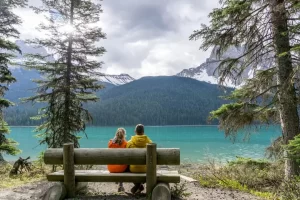
 A British Columbia getaway does not have to mean filling every day with attractions, long drives, and demanding activities. Sometimes, the most rewarding way to experience the province is to slow down. A quiet morning near the water, an unhurried walk through nature, time spent exploring a small community, or an afternoon with a good book can create space to breathe and reconnect with yourself. For people dealing with stress, emotional exhaustion, or the challenges of addiction recovery, these simple experiences can also provide healthy alternatives to old patterns of coping.
British Columbia offers an ideal setting for this kind of travel. Its coastline, forests, lakes, mountains, parks, and communities provide countless opportunities to step away from the pressure of everyday life without needing to create a demanding itinerary.
At the same time, it is important to keep travel in perspective. A getaway cannot replace addiction treatment or mental health care. However, intentional travel can complement professional support by giving people opportunities to practise healthy routines, spend time outdoors, reflect on personal goals, and discover enjoyable activities that do not involve substances.
Why Slow Travel Can Be Meaningful During Recovery
Modern travel often focuses on doing as much as possible. Visitors may create detailed schedules, rush between attractions, and feel pressure to make every hour count.
That approach is not always helpful.
For someone working on recovery or emotional wellness, constant stimulation can become another source of stress. A slower getaway provides an opportunity to practise something that can be difficult in everyday life: being present without needing to escape uncomfortable feelings.
A quiet environment can also make it easier to notice your thoughts and emotions. Instead of immediately reacting to stress, you can pause, breathe, and decide how you want to respond.
This is consistent with a broader recovery mindset. Healthy change is not about creating a perfect life overnight. It is about developing practical habits that can be repeated consistently.
Relaxing Things to Do in British Columbia
Take an Unhurried Walk
Walking is one of the simplest ways to experience British Columbia without turning your vacation into a fitness challenge.
Choose a safe route near the coast, through a forest, around a lake, or within a community. Walk at a comfortable pace and pay attention to what is happening around you.
Notice the sound of birds, the movement of trees, the feel of the ground beneath your feet, or the changing light.
If your thoughts become busy, gently bring your attention back to your surroundings.
This type of mindful walking can be especially useful for people learning healthier ways to manage stress. There is no need to walk a certain distance or reach a particular destination. The experience itself can be enough.
Spend Time Near the Water
Water has a natural ability to create a sense of spaciousness. Whether you are beside an ocean, lake, river, or smaller body of water, sitting quietly and observing your surroundings can provide a welcome break from constant stimulation.
Bring a journal. Read for a while. Have a quiet conversation with someone you trust. Or simply sit and watch the water.
The goal is not to force yourself to feel a certain way. Instead, give yourself permission to pause.
For someone in recovery, learning to become comfortable with peaceful moments can be an important part of developing healthier routines.
Explore Small Communities at Your Own Pace
A British Columbia getaway does not need to revolve around major attractions.
Spend time exploring a smaller community. Walk through local streets. Visit independent shops. Find a café. Enjoy a meal. Learn about the area’s history or culture.
Give yourself enough time to actually experience the place instead of simply photographing it and moving on.
This type of travel can encourage connection and curiosity while reducing the pressure to constantly search for the next activity.
Have a Quiet Picnic Outdoors
A picnic may sound simple, but that is precisely what makes it appealing.
Choose a peaceful outdoor location, bring food you enjoy, and leave your phone aside for part of the meal. If you are travelling with someone, use the opportunity to have a genuine conversation.
For people rebuilding relationships during recovery, shared experiences can be especially meaningful. Connection does not always require a major event. Sometimes, sitting together and talking without distractions is enough.
Try Nature Photography
You do not need expensive equipment to enjoy photography.
Use your phone or camera to look closely at your surroundings. Photograph trees, mountains, clouds, shorelines, architecture, flowers, wildlife, or small details that you might otherwise overlook.
Photography encourages observation. Instead of rushing through a landscape, you begin looking carefully at what is in front of you.
That shift in attention can support mindfulness and help make a simple walk or sightseeing trip feel more engaging.
Create a British Columbia Getaway That Supports Wellness
A relaxing vacation starts before you arrive at your destination.
If you are in addiction recovery or managing mental health concerns, consider how your travel plans may affect your routines and emotional well-being.
Plan Around Your Energy Level
Do not build an itinerary that assumes you will feel energetic every day.
Some people may enjoy hiking or kayaking. Others may benefit more from gentle walks, sightseeing, reading, or quiet time outdoors.
Choose activities that fit your current physical and emotional capacity.
There is no reward for exhausting yourself.
A successful getaway should leave you with positive memories rather than a feeling that you need another break when you return home.
Identify Potential Triggers
Travel can introduce unfamiliar environments, social situations, and routines. For someone in recovery, some of these circumstances may create unnecessary challenges.
Before travelling, consider your personal triggers.
If certain environments, social settings, or activities are connected with previous substance use, plan accordingly. You can choose different accommodations, activities, or destinations without feeling guilty about protecting your recovery.
Your vacation does not need to look like anyone else’s.
Protect Your Basic Routine
A change of scenery does not mean abandoning the habits that help you stay well.
Try to maintain reasonable sleep, regular meals, hydration, movement, and time for rest.
If you receive counselling, participate in peer support, or follow another recovery plan, think ahead about how you will maintain those connections while travelling.
Small routines can provide stability even when everything else around you is unfamiliar.
Let Nature Complement Your Recovery
Recovery involves more than avoiding substances. Many people also need to address emotional health, relationships, physical wellness, daily routines, personal values, and sometimes spiritual needs.
That is why individualized care can be so important.
Blogcat Recovery’s approach recognizes that people have different circumstances and different support needs. Addiction recovery and mental health treatment may include inpatient or outpatient care, depending on the person’s situation. Holistic approaches can address broader aspects of wellness, while faith based support can be meaningful for individuals who want spirituality included in their recovery.
Time spent outdoors can complement these efforts.
A walk can provide an opportunity to practise mindfulness. Physical activity can support healthier routines. Quiet surroundings can create space for reflection. Time with supportive people can strengthen relationships.
However, nature should be viewed as one part of a broader wellness lifestyle, not as a cure for addiction or mental health conditions.
If substance use or emotional difficulties are interfering with your life, professional care remains important.
Make Rest Part of the Itinerary
One of the easiest mistakes to make on vacation is treating rest as something that happens only after everything else is finished.
Instead, schedule it.
Leave an afternoon open. Have a slow breakfast. Sit somewhere scenic. Take a nap if you need one. Read without feeling guilty about not sightseeing.
Give Yourself Permission to Do Less
Doing less can feel uncomfortable for people who are accustomed to constant activity.
You may initially think you are wasting time.
You are not.
Rest can help you notice how your body and mind respond when there is less pressure. It can also provide an opportunity to practise sitting with your thoughts rather than automatically distracting yourself.
That can be a valuable skill beyond the vacation itself.
Reduce Digital Distractions
Consider setting aside periods when you are not checking social media, email, or notifications.
You do not have to disconnect completely. Even a short period without your phone can change how you experience your surroundings.
Look around. Listen. Talk to someone. Notice what you are feeling.
Being present is a skill, and travel can provide a useful setting in which to practise it.
Bring the Slower Pace Home
The real value of a relaxing British Columbia getaway may become apparent after you return.
Think about what helped you feel most grounded.
Perhaps it was walking outside each morning. Maybe it was journaling beside the water, having meaningful conversations, taking photographs, or simply beginning the day without immediately reaching for your phone.
Choose one or two of those habits and bring them into your regular routine.
You might take a short evening walk, schedule regular outdoor time, keep a gratitude journal, or create a few minutes of quiet before starting your day.
Recovery is strengthened by consistency. A vacation may provide inspiration, but the habits you practise afterward can have lasting value.
A Healthier Getaway Can Start With a Simpler Plan
British Columbia has no shortage of exciting things to see and do, but you do not have to experience the province at full speed. A slower approach can give you more opportunities to notice your surroundings, connect with others, reflect on your goals, and enjoy healthy forms of recreation.
For someone pursuing addiction recovery or better mental health, that perspective can be particularly valuable. Life does not have to revolve around constant stimulation or unhealthy coping strategies. There can be satisfaction in simple experiences, quiet moments, meaningful relationships, and time spent doing things that support your well-being.
If addiction or mental health challenges are making it difficult to create that kind of balance, professional support can provide the foundation for change. Blogcat Recovery offers individualized addiction recovery and mental health support, with inpatient and outpatient options, holistic approaches, and faith based care for people who want spirituality to be part of their recovery.
A British Columbia getaway can give you room to slow down and see life from a different perspective. When you are ready to make deeper changes, reaching out for personalized professional support can be the next meaningful step toward a healthier, more balanced future.