 A British Columbia getaway can be as restorative as it is memorable when you choose experiences that give you room to slow down, explore, and reconnect with yourself. From quiet coastal towns and oceanfront walks to forest trails, lakeside afternoons, and mountain roads, British Columbia offers an impressive range of things to do for travelers seeking something more meaningful than a packed sightseeing schedule. For people interested in emotional wellness or addiction recovery, these experiences can also provide healthy opportunities for movement, mindfulness, reflection, and connection. While travel is never a replacement for professional treatment, an intentional trip can complement the healthy routines and coping strategies that support long term well-being.
At Blogcat Recovery, we understand that recovery involves the whole person. Addiction can influence physical health, emotional stability, relationships, daily routines, and a person’s sense of purpose. Individualized addiction treatment, mental health support, inpatient and outpatient care, holistic services, and faith based approaches can help address these different needs. Time spent exploring British Columbia can complement that work by creating opportunities to practice healthy recreation and discover new ways to manage stress.
Why Choose a Meaningful British Columbia Getaway?
A vacation does not have to be exhausting to be worthwhile. In fact, constantly rushing from one attraction to another can leave you needing another vacation when you get home.
Instead, consider creating an itinerary that balances exploration with downtime. Choose a few destinations that genuinely interest you, then leave enough space to enjoy them without constantly checking the clock.
This approach can be especially helpful for people working on emotional wellness. When your schedule becomes less demanding, you may have more opportunities to notice your thoughts, recognize your emotions, and appreciate your surroundings.
Explore British Columbia’s Coastal Communities
Walk the Beaches of Tofino
Tofino is one of British Columbia’s most recognizable coastal destinations, but you do not need an ambitious itinerary to appreciate it. The beaches and surrounding forests provide plenty of opportunities for peaceful exploration.
Start with a slow beach walk. Listen to the waves and notice the movement of the water. Pay attention to the air, the sand beneath your feet, and the changing light.
For someone practicing mindfulness, this can become more than sightseeing. It is an opportunity to focus attention on the present moment.
You can also spend time exploring local shops, enjoying a quiet meal, or simply watching the Pacific Ocean. The goal is to create an experience that feels restorative rather than rushed.
Discover the Quiet Side of Vancouver Island
Vancouver Island offers much more than its best known attractions. Smaller communities, forest roads, shoreline viewpoints, and less crowded outdoor spaces can provide a slower travel experience.
Consider choosing one area and spending an entire day exploring at a relaxed pace. Take a walk, stop for photographs, find a scenic viewpoint, and allow yourself time to sit quietly.
Sometimes the most memorable part of a trip is not the number of places you visit. It is how present you are while you are there.
Enjoy Lakeside Experiences in the Interior
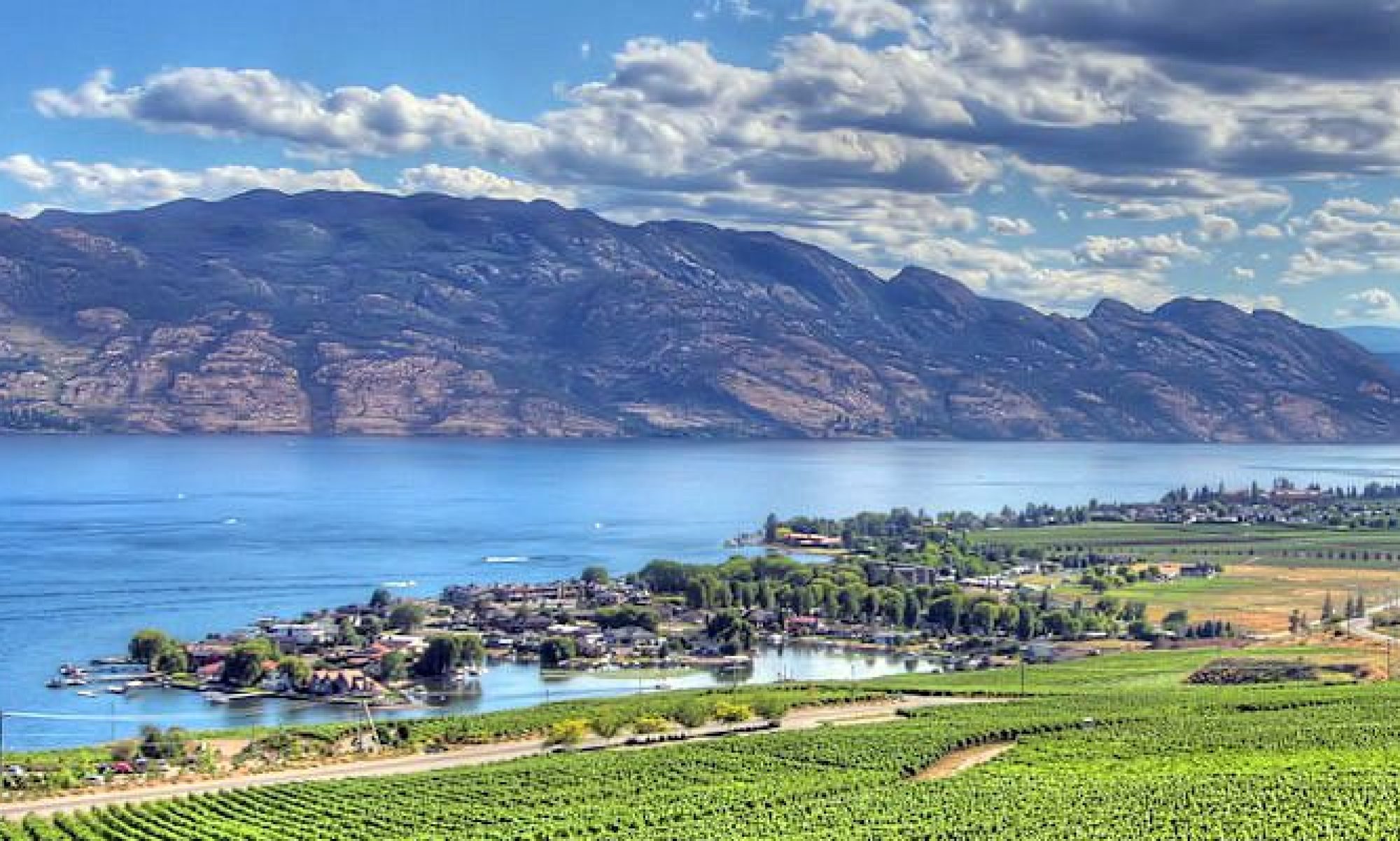
Spend Time Beside Okanagan Lake
The Okanagan Valley offers beautiful lakes, rolling landscapes, and plenty of opportunities for outdoor recreation.
Set aside several hours to enjoy the area without trying to see everything. Walk beside Okanagan Lake, read a book, write in a journal, or have a quiet picnic.
If you are focusing on emotional wellness, use the time to reflect on what is going well in your life. You might consider what habits you want to strengthen or what positive changes you have already made.
A calm environment can make it easier to think without the constant distractions of everyday life.
Make the Water Part of Your Adventure
Kayaking and canoeing can add gentle physical activity to a British Columbia getaway. Paddling requires attention, which naturally encourages you to focus on the present.
Choose an appropriate location based on your experience and physical abilities. Always check weather and water conditions, follow local safety guidance, and use appropriate safety equipment.
For travelers in recovery, activities like paddling can also provide positive alternatives to environments or social situations that may create unnecessary stress.
Take the Scenic Route Through the Mountains
Explore Whistler at Your Own Pace
Whistler is famous for outdoor adventure, but you do not have to pursue the most demanding activity to enjoy its surroundings.
Choose a trail, viewpoint, or scenic area that matches your comfort and fitness level. Take breaks whenever you need them. Give yourself permission to stop and appreciate the mountains instead of focusing only on reaching the end of a route.
For someone navigating recovery, this can offer a simple reminder that progress does not require rushing. Sustainable change is often built through consistent, manageable steps.
Turn a Mountain Drive Into a Mindful Experience
British Columbia’s mountain roads can be part of the adventure themselves. Instead of treating the drive simply as a way to reach the next destination, slow down when safe and enjoy the scenery.
Plan stops at appropriate viewpoints and give yourself time to appreciate forests, valleys, rivers, and mountain landscapes.
Of course, road safety should always come first. Stay focused while driving and use designated areas when stopping to enjoy the scenery.
Meaningful Things to Do During Your BC Getaway
Practice Mindful Walking
Walking is one of the easiest ways to combine physical activity with mindfulness.
Choose a safe trail or walking route. Move at a comfortable pace and notice your breathing. Pay attention to the sounds around you and the sensation of your feet moving.
When your thoughts wander, gently return your attention to your surroundings.
Keep a Travel Journal
Bring a small notebook and write after meaningful experiences.
You could record what you noticed during a forest walk, describe a memorable conversation, or write about something you are grateful for.
For someone in addiction recovery, journaling can also provide an opportunity to recognize progress and think about the kind of life you want to build.
Try Nature Photography
Photography encourages you to look more carefully at the environment.
Instead of photographing only major landmarks, look for smaller details. Notice reflections on the water, sunlight between trees, clouds over a mountain, or patterns along the shoreline.
The purpose is not to create perfect photographs. It is to become more attentive to the moment.
Leave Time for Stillness
Rest should be part of the itinerary, not something you attempt only after everything else is finished.
Schedule a quiet morning. Spend an afternoon beside the water. Take an evening walk. Put your phone away for a while.
These simple choices can make a getaway feel more balanced.
Make Travel Support Your Recovery Goals
Travel can be positive, but people in recovery should consider their individual circumstances before planning a trip.
A new environment can introduce unfamiliar stressors, disrupted routines, or situations that may act as triggers. Planning ahead can help you protect the progress you have made.
Consider Your Triggers
Think honestly about situations that could make maintaining your recovery more difficult.
Choose activities and accommodations that support your current goals. If a particular environment does not feel appropriate, you do not need to participate simply because it is popular with tourists.
Your well-being matters more than following someone else’s definition of a perfect vacation.
Maintain Healthy Routines
Travel does not mean abandoning the habits that help you stay well.
Try to maintain consistent sleep, regular meals, hydration, physical activity, and appropriate treatment routines. If you participate in counseling, peer support, or another recovery service, consider how you will stay connected while traveling.
A successful getaway should complement your wellness plan rather than disrupt it.
How Holistic Care Fits Into the Recovery Journey
Recovery is rarely about addressing one issue in isolation. Physical health, emotional well-being, relationships, personal values, and spiritual needs can all influence how a person moves forward.
Blogcat Recovery takes a client centered approach to addiction and mental health care, with individualized treatment designed around each person’s circumstances and needs. Inpatient and outpatient options can provide different levels of structure and support. Holistic strategies can complement professional treatment, while faith based care can provide spiritual support for people who want that part of their identity included in their recovery.
Nature based recreation can fit naturally into this broader approach. A walk along the coast can provide an opportunity to practice mindfulness. A quiet afternoon beside a lake can create space for reflection. A moderate hike can encourage physical activity and perseverance.
However, it is important to maintain realistic expectations. A British Columbia getaway cannot cure addiction or replace professional mental health treatment. If substance use or mental health concerns are significantly affecting your life, qualified professional care should remain a priority.
Bring the Experience Home With You
One of the greatest benefits of intentional travel is discovering healthy activities you can continue after returning home.
Think about what made you feel most comfortable during your trip. Was it walking near the ocean? Spending time among trees? Writing in a journal? Taking photographs? Having meaningful conversations without distractions?
Then look for ways to incorporate those experiences into everyday life.
A short walk after work can create space to decompress. Time outside can provide a break from screens. Journaling can help you process difficult emotions. Regular physical activity can become part of a healthier routine.
These practices may seem small, but recovery is often strengthened through small choices repeated consistently.
Plan a British Columbia Getaway With Purpose
From coastal towns to mountain roads, British Columbia offers countless ways to explore while creating space for rest, reflection, and healthy recreation. Tofino can provide oceanfront calm. Vancouver Island offers forests and quiet communities. The Okanagan provides beautiful lakes and open landscapes. Whistler brings travelers closer to dramatic mountain scenery.
The most important part of the journey is not how many destinations you check off your list. It is whether the experience supports the life you are trying to build.
For people pursuing addiction recovery or improved mental health, meaningful travel can be one part of a broader wellness lifestyle. When paired with individualized professional treatment, supportive relationships, healthy routines, and holistic practices, time outdoors can reinforce healthier ways of managing stress and enjoying life.
If addiction or mental health challenges are making it difficult to move forward, you do not have to figure everything out alone. Compassionate, individualized care can provide the structure and support needed to begin making lasting changes.
Reach out to Blogcat Recovery to learn more about addiction recovery and mental health treatment options. With inpatient and outpatient care, holistic approaches, individualized support, and faith based services for those who want them, the right support can help you move toward greater stability, purpose, and lasting recovery.