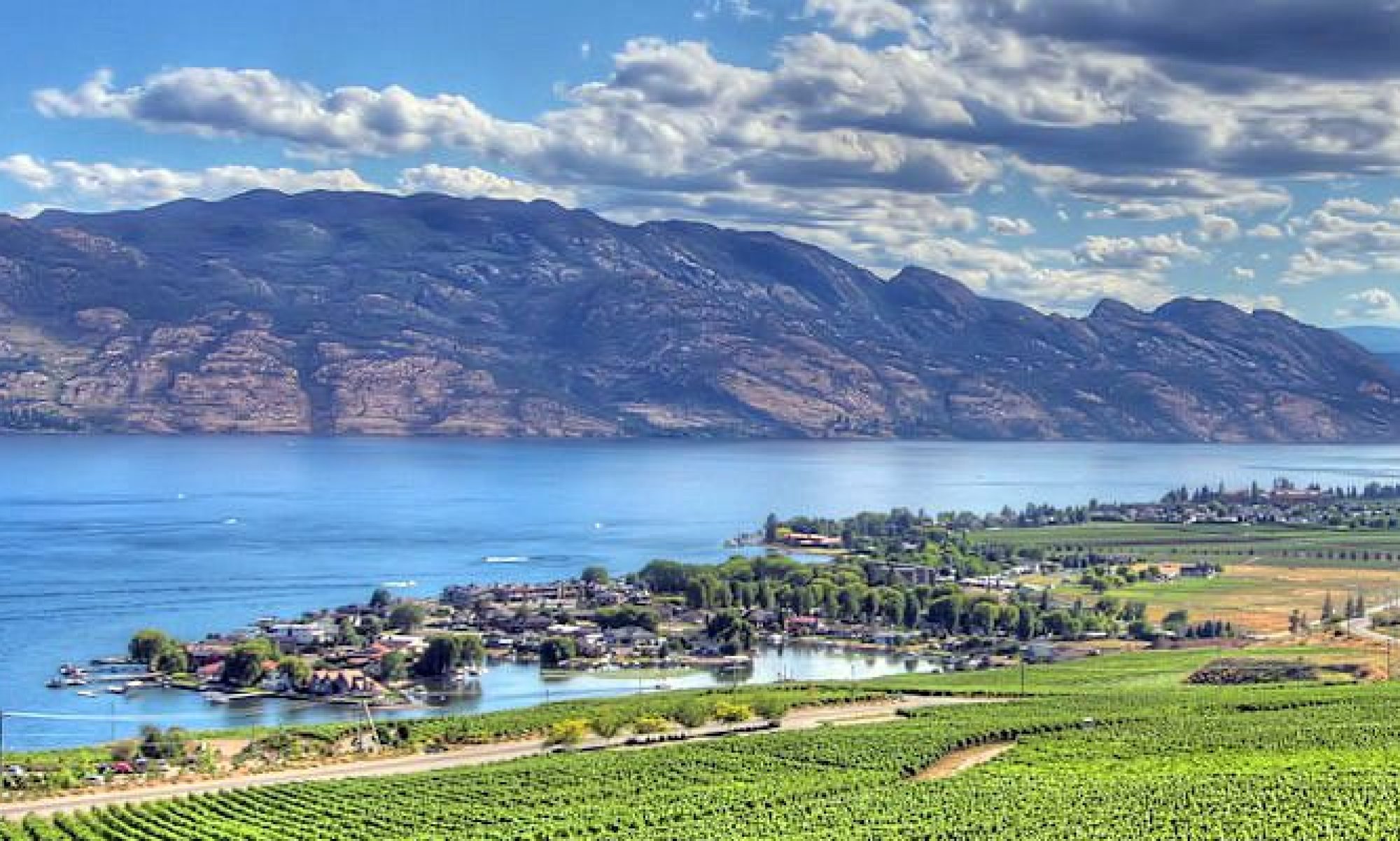
Beyond the Famous Attractions: Unique Things to Do on Your British Columbia Vacation

A British Columbia vacation can be much more rewarding when you look beyond the province’s most famous attractions. While popular destinations such as Vancouver, Whistler, and Victoria deserve their reputation, some of the most memorable experiences happen in smaller communities, quiet natural spaces, and places that do not always appear on a typical tourist itinerary. From exploring historic towns and discovering local food to walking peaceful forest trails and visiting lesser-known waterfront areas, BC offers countless ways to experience its beauty at your own pace.

These experiences can also create opportunities to step away from everyday pressures, reconnect with people, and make time for personal well-being. For travellers who are managing stress, mental health challenges, or addiction recovery, a thoughtful getaway can provide a welcome change of scenery. Although travel is not a substitute for professional treatment, meaningful activities and healthy routines can complement the work involved in building a balanced life.

Discover Small Towns With Their Own Stories

Some of British Columbia’s most interesting destinations are communities with distinctive histories, independent businesses, and welcoming local cultures. Visiting these places gives you a chance to experience the province beyond its busiest tourist areas.

Explore the Historic Streets of Barkerville

Barkerville Historic Town and Park offers a glimpse into British Columbia’s gold rush history. Located in the Cariboo region, this historic site features restored buildings, exhibits, and interpretive experiences that help visitors understand the people and events that shaped the area.

You can explore historic streets, learn about early settlement, and discover how communities developed during the gold rush. Check seasonal opening dates before visiting, as operating schedules and available activities can change throughout the year.

This destination is especially interesting for travellers who enjoy history and want an educational experience alongside their outdoor adventures.

Experience the Character of Cumberland

Located on Vancouver Island, Cumberland has a strong community identity and a history connected to coal mining. Today, visitors can explore its independent shops, cafés, heritage sites, and outdoor recreation areas.

The surrounding landscape offers opportunities for mountain biking, hiking, and walking. You can also spend time in the village, enjoy a relaxed meal, and learn about the community’s past.

Cumberland is a good example of how a smaller destination can offer a satisfying mix of culture, recreation, and local character.

Visit Kaslo for Lakeside Scenery

Kaslo, situated beside Kootenay Lake, offers a quieter alternative to some of BC’s busier vacation destinations. Its attractive waterfront, historic buildings, and mountain surroundings make it a rewarding place to explore.

Visitors can walk along the waterfront, discover local heritage, and enjoy views across the lake. The community is also a convenient base for exploring nearby natural areas.

If your ideal vacation includes peaceful scenery and time away from crowded attractions, Kaslo deserves a place on your itinerary.

Find Lesser-Known Natural Experiences

British Columbia’s natural beauty extends far beyond its most photographed parks and viewpoints. Exploring quieter landscapes can help you appreciate the province at a more relaxed pace.

Walk Through the Forests of Cathedral Grove

Cathedral Grove, located in MacMillan Provincial Park on Vancouver Island, is known for its impressive old-growth trees. Walking among these enormous trees offers a memorable opportunity to experience the scale and character of BC’s coastal forests.

Follow designated paths, respect protected areas, and avoid disturbing the natural environment. Conditions can be wet, so comfortable footwear is important.

A forest walk can also encourage you to slow down and pay attention to your surroundings. Notice the sounds of the trees, the changing light, and the texture of the forest floor. These simple observations can make an ordinary walk feel more engaging.

Discover the Quiet Beauty of Lac du Bois Grasslands

Near Kamloops, the Lac du Bois Grasslands Protected Area offers a different perspective on British Columbia’s landscapes. Instead of dense forests and mountain lakes, visitors can experience open grasslands, rolling hills, and distinctive dry interior scenery.

Choose suitable routes based on your experience and current conditions. Bring enough water, prepare for changing temperatures, and follow posted guidance to protect sensitive habitats.

This area is particularly appealing to travellers who want to explore a landscape that differs from the province’s familiar coastal and alpine scenery.

Spend Time Around Lesser-Known Lakes

BC has countless lakes that provide opportunities for swimming, paddling, fishing, picnicking, and relaxing beside the water. Rather than visiting only the busiest waterfront destinations, research smaller lakes near the communities on your route.

Before swimming or boating, check local advisories, water conditions, and safety requirements. Some areas have limited facilities, so plan ahead and take everything you need.

A quiet afternoon by the water can be a welcome break from a busy travel schedule. You can read, enjoy a picnic, or simply appreciate the scenery without needing to plan an elaborate activity.

Explore Local Culture Through Food, Art, and Community

Travel becomes more meaningful when you connect with the people and traditions that make a destination unique. British Columbia has a diverse cultural landscape, and local experiences can offer a deeper understanding of the province.

Visit Farmers’ Markets and Independent Food Businesses

Farmers’ markets are excellent places to discover regional products and meet local vendors. Depending on the community and season, you may find fresh produce, baked goods, handmade products, and prepared foods.

Look for markets in towns such as Kelowna, Nelson, Penticton, and smaller communities along your route. Independent cafés and restaurants can also introduce you to regional ingredients and local favourites.

Take time to enjoy the experience instead of rushing through it. A conversation with a vendor or a meal at a locally owned restaurant can become one of the most memorable parts of your trip.

Discover Public Art and Local Galleries

Many BC communities have thriving arts scenes. Outdoor murals, independent galleries, craft studios, and community exhibitions provide opportunities to appreciate local creativity.

You might explore the murals in Chemainus, visit galleries in Nelson, or look for artisan studios on Vancouver Island. Check local tourism websites for current exhibitions and opening hours.

Art can also provide an opportunity for personal reflection. A painting, sculpture, or handmade object may offer a new perspective or simply encourage you to pause and appreciate something outside your normal routine.

Learn About Indigenous Culture Respectfully

Indigenous communities have longstanding relationships with the lands and waters of British Columbia. Learning about their histories, knowledge, languages, and artistic traditions can add important context to your travels.

Look for experiences led by Indigenous-owned businesses, cultural centres, museums, and recognized tour operators. Follow local guidance, respect photography restrictions, and approach cultural experiences with curiosity and respect.

These opportunities allow visitors to learn directly from communities rather than relying only on general travel descriptions.

Choose Scenic Routes That Encourage Exploration

The route you take can be an important part of a British Columbia vacation. Instead of driving directly between major destinations, consider planning a journey that includes smaller communities, viewpoints, and interesting stops.

Explore the Sunshine Coast

The Sunshine Coast offers coastal communities, forested landscapes, beaches, and waterfront experiences. Travellers can explore places such as Gibsons, Sechelt, and Powell River, depending on their route and ferry connections.

Each community has its own character, with local shops, cafés, outdoor recreation, and access to beautiful coastal scenery.

Because ferry travel is part of many Sunshine Coast itineraries, check schedules and reservation requirements before departure. Allow extra time, particularly during busy travel periods.

Take a Journey Through the Okanagan’s Smaller Communities

The Okanagan Valley is well known for its lakes and vineyards, but there is more to discover beyond its largest centres.

Consider exploring smaller communities, local parks, farm markets, and quiet waterfront areas. A flexible itinerary can help you discover places that are easy to miss when following a strict sightseeing schedule.

If you are driving, plan rest stops and avoid trying to cover too much distance in one day. A relaxed journey often creates more opportunities to enjoy the places along the way.

Make Your Vacation a Positive Experience for Mental Well-Being

A change of scenery can provide a welcome opportunity to rest, reflect, and enjoy activities that may be difficult to fit into a regular routine. However, meaningful travel does not require constant activity or expensive experiences.

For people dealing with anxiety, depression, substance use, or recovery-related challenges, the most useful vacation may be one that allows room for comfort, connection, and healthy choices.

Build Rest Into Your Travel Schedule

A packed itinerary can turn a vacation into another source of pressure. Instead, choose a few activities each day and leave time for rest.

For example, you could explore a small town in the morning, enjoy lunch at a local restaurant, and spend the afternoon beside a lake. The following day might include a short forest walk or a visit to a cultural attraction.

This approach makes it easier to respond to your energy level and enjoy each experience without feeling rushed.

Maintain Healthy Habits While Travelling

Travel can disrupt sleep, meal schedules, exercise routines, and other habits that support mental and physical health.

Try to maintain regular meals, stay hydrated, get enough sleep, and include manageable physical activity. If you are receiving mental health or addiction treatment, plan how you will continue following your care recommendations while away.

People in recovery should also consider possible triggers before travelling. Certain destinations, social environments, or activities may create unnecessary challenges. Choosing supportive travel companions and planning ahead can help protect progress.

If you are unsure whether a trip is appropriate during treatment, speak with your healthcare provider before making arrangements.

How Professional Addiction Recovery Support Complements a Healthier Lifestyle

Exploring British Columbia can introduce you to enjoyable activities and healthier ways to spend your free time. However, travel, outdoor recreation, and wellness practices cannot replace professional treatment for addiction or mental health conditions.

Recovery often involves addressing several connected areas of life. Substance use may be linked to emotional distress, trauma, relationship difficulties, stress, or other mental health concerns. Effective care should consider these factors rather than focus only on substance use.

Individualized treatment helps match support to a person’s needs, circumstances, and recovery goals.

Understanding Inpatient and Outpatient Treatment

Inpatient treatment provides a structured setting for individuals who need a higher level of support and supervision. It may offer access to professional care, therapeutic activities, and a consistent daily routine.

Outpatient treatment allows people to attend scheduled services while continuing with suitable work, family, or personal responsibilities. The appropriate level of care depends on individual needs and a professional assessment.

Both approaches can play an important role in addiction recovery. A qualified treatment provider can help determine which option is appropriate and whether additional mental health support is needed.

Include Wellness and Faith-Based Support When Appropriate

Some people find that broader wellness practices help them develop healthier routines and manage stress. Depending on their needs and treatment plan, these practices may include physical activity, mindfulness, creative activities, and supportive social connections.

Faith-based support can also be meaningful for individuals who want spirituality to be part of their recovery. It may provide a sense of purpose, connection, and encouragement.

These approaches work best when they complement appropriate clinical care. They should not replace medical treatment, counselling, or other professional services when those are needed.

Bring Your Favourite BC Experiences Into Everyday Life

A vacation does not have to end when you return home. The experiences you enjoy in British Columbia can inspire positive changes in your regular routine.

If you enjoyed walking through a forest, find a local trail or park you can visit regularly. If you appreciated the sense of community in a small town, make time for local events or social activities. If a quiet afternoon beside a lake helped you relax, consider setting aside regular time away from screens and daily demands.

For people working through addiction recovery, these activities can help create a lifestyle with more opportunities for connection, enjoyment, and healthy stress management.

The important thing is to choose habits that are realistic and sustainable. Small, consistent actions can make a meaningful difference over time.

Conclusion: Experience a More Meaningful Side of British Columbia

The best British Columbia vacation may be the one that takes you beyond the familiar tourist attractions. Exploring historic towns, discovering local food, walking through quiet forests, and visiting smaller communities can help you experience the province in a more personal way.

These experiences also create opportunities to slow down, connect with others, and make time for your well-being. Whether you are planning a coastal journey, an Okanagan road trip, or a visit to a peaceful mountain community, leave room for rest and unexpected discoveries.

If you or someone you care about is struggling with addiction or mental health challenges, remember that meaningful lifestyle changes can complement professional treatment, but you do not have to manage recovery alone. Blogcat Recovery recognizes the importance of individualized support, including inpatient and outpatient care, broader wellness practices, and faith-based approaches for those who find them helpful.

Reach out to learn more about available recovery support and take the next step toward a healthier, more fulfilling future. You deserve care that respects your circumstances, understands your goals, and helps you build lasting progress.
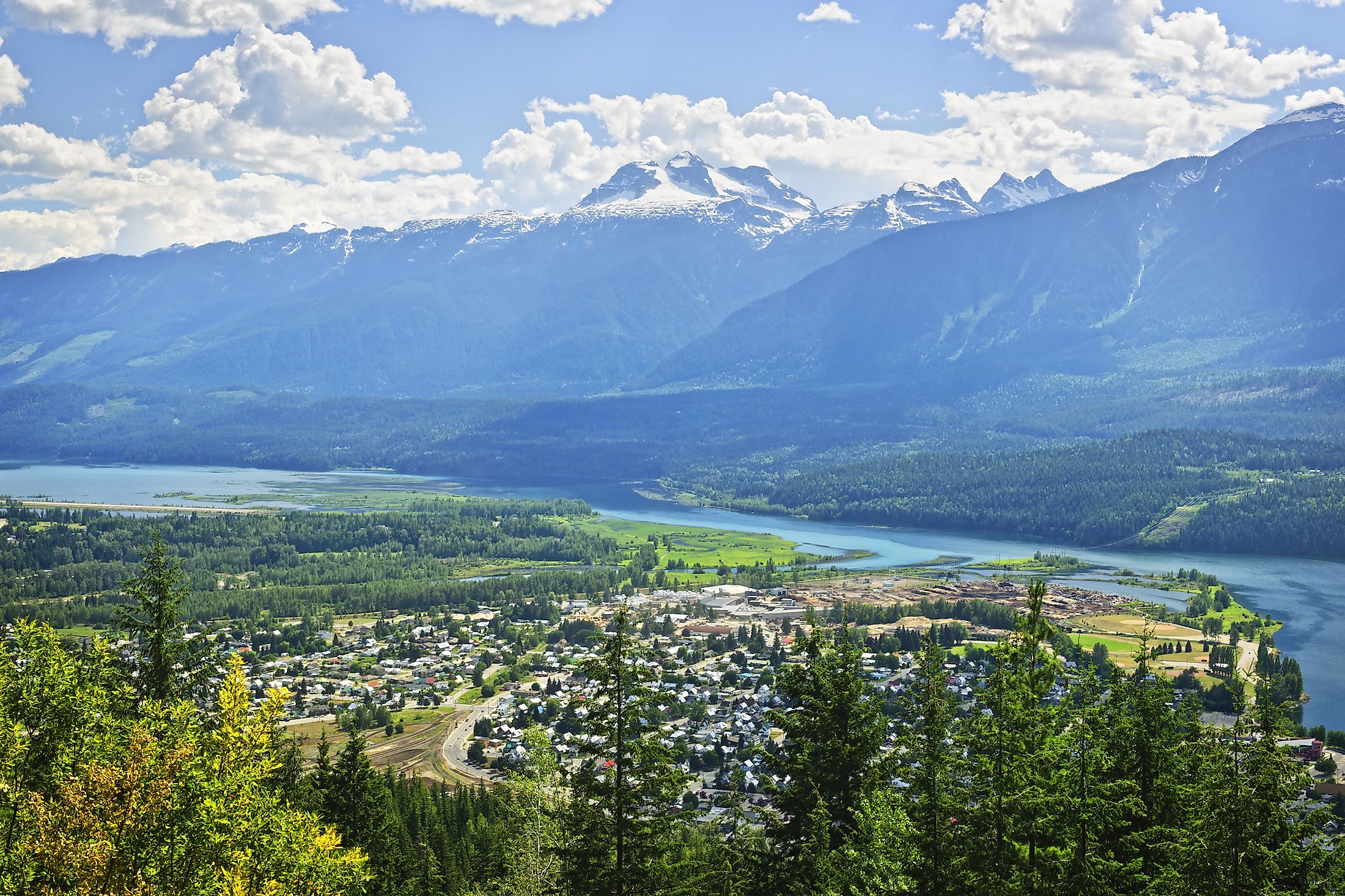
Planning a British Columbia Getaway? Explore Charming Towns, Scenic Routes, and Local Favorites

Planning a British Columbia getaway gives you the chance to experience some of Canada’s most remarkable landscapes while discovering communities with their own character, history, and local attractions. From mountain towns and coastal villages to scenic highways and lakeside communities, BC offers something for every kind of traveller. Whether you want an active outdoor holiday or a quieter break from everyday responsibilities, the right destinations can help you reconnect with nature, enjoy meaningful experiences, and make time for your well-being.

A memorable trip does not have to involve a packed schedule or an endless list of attractions. Sometimes, the best experiences come from exploring a small town, stopping at an unexpected viewpoint, sharing a meal at a local restaurant, or taking a peaceful walk beside the water. For people working toward better mental health or addiction recovery, these activities can also provide opportunities to practise healthy routines and enjoy life without relying on unhealthy coping habits.

Discover Charming Towns Across British Columbia

British Columbia is home to communities that offer much more than a place to stay between outdoor adventures. Many towns have distinctive local cultures, independent businesses, historic streets, and easy access to nature.

Explore Nelson’s Artistic Character

Located in the West Kootenay region, Nelson is known for its historic architecture, independent shops, and creative atmosphere. Its downtown streets invite visitors to slow down and explore at their own pace.

Spend an afternoon browsing local stores, enjoying a meal, or discovering the town’s distinctive buildings. If you enjoy outdoor activities, the surrounding area also offers opportunities for walking, cycling, and exploring nearby lakes and mountain scenery.

Nelson is a good choice for travellers who appreciate a balance of community life and outdoor recreation. You can enjoy a full day of activities without needing to rush from one attraction to another.

Experience the Mountain Setting of Fernie

Fernie offers a classic mountain-town atmosphere, with impressive scenery and a strong connection to outdoor recreation. Visitors can enjoy local cafés, shops, walking areas, and seasonal activities.

The surrounding mountains make the area appealing throughout the year. Depending on the season and your interests, you might explore hiking trails, enjoy cycling, or simply spend time appreciating the landscape.

You do not need to be an experienced outdoor enthusiast to enjoy Fernie. A relaxed walk through town, a scenic drive, and a comfortable meal can make for an enjoyable visit.

Visit Chemainus for Art and Local History

On Vancouver Island, Chemainus is an interesting stop for travellers who enjoy culture and community history. The town is particularly known for its outdoor murals, which tell stories about local life and the area’s past.

Walking through the community gives visitors an opportunity to appreciate public art while discovering local shops and places to eat. It is also an excellent reminder that memorable travel experiences are not always found in major tourist centres.

Consider taking your time, reading about the artwork, and learning more about the community rather than treating the visit as a quick photo opportunity.

Take the Scenic Route Through British Columbia

In BC, the journey between destinations can be just as memorable as the places themselves. Mountain passes, forested valleys, lakes, and coastal views make road travel an important part of many British Columbia vacations.

Enjoy the Sea to Sky Highway

The Sea to Sky Highway connects the Vancouver area with Squamish and Whistler, offering impressive views of mountains, forests, and coastal landscapes.

Rather than rushing directly to your destination, plan a few appropriate stops along the way. You can enjoy designated viewpoints, explore suitable walking areas, or take time to appreciate the changing scenery.

Always use designated parking and pullouts when stopping. Check road conditions before travelling, particularly during winter weather or periods of heavy traffic.

Discover the Kootenay and Southern Interior Routes

The Kootenay region offers scenic roads through mountain communities, forested landscapes, and valleys. A trip through this part of the province can include stops in places such as Nelson, Castlegar, and nearby communities.

Highway 3 is another route worth considering for travellers interested in exploring southern British Columbia. It connects a variety of communities and provides access to different landscapes, from mountain surroundings to more open interior terrain.

Allow extra time for the journey. Check fuel availability, weather, road conditions, and accommodation options before setting out, especially when travelling through more remote areas.

Explore the Okanagan Valley

The Okanagan is an appealing destination for travellers who enjoy lakeside scenery, local food, outdoor recreation, and welcoming communities.

Kelowna, Penticton, and Vernon each provide different ways to experience the region. Visitors can explore waterfront areas, discover local shops, enjoy parks, and take in views of the surrounding hills and lakes.

If you prefer a quieter experience, consider visiting outside the busiest travel periods. A relaxed lakeside walk or an afternoon exploring a local community can be just as enjoyable as a full day of planned attractions.

Find Local Favorites Beyond the Main Attractions

Some of the most rewarding parts of a British Columbia getaway happen when you leave room for spontaneous discoveries. Local businesses, community events, and everyday neighbourhood experiences can give you a better understanding of the places you visit.

Support Independent Shops and Restaurants

Independent businesses often reflect the character of their communities. Look for locally owned cafés, bakeries, restaurants, markets, and specialty shops.

Trying regional food is another enjoyable way to experience a destination. You might discover a favourite café, sample local produce, or enjoy a meal prepared with ingredients from the surrounding area.

Supporting local businesses also helps strengthen the communities that make BC travel distinctive.

Visit Community Markets and Cultural Events

Farmers’ markets, seasonal festivals, craft fairs, and community celebrations offer opportunities to meet local residents and discover regional traditions.

Check local tourism information before your trip to see what events are taking place during your visit. Some smaller communities have seasonal activities that may not appear in general travel guides.

When attending cultural events, take time to learn about their significance and follow local guidance. Respectful participation makes the experience more meaningful for visitors and residents alike.

Make Time for Parks, Trails, and Waterfront Areas

A local park or waterfront path can become one of the most memorable stops on your itinerary.

Choose a walking route that matches your fitness level and available time. Bring water, dress for changing weather, and follow posted trail information. If you are visiting an unfamiliar natural area, check for seasonal closures and wildlife advisories.

You can also make a simple picnic part of the day. A relaxed meal outdoors offers a welcome break from driving and sightseeing.

Make Your British Columbia Getaway Support Your Well-Being

Travel can offer a change of scenery and opportunities to develop healthy routines. However, the way you plan your getaway matters, particularly if you are managing stress, mental health concerns, or addiction recovery.

A vacation should complement your well-being goals rather than create additional pressure.

Choose Activities That Match Your Needs

It can be tempting to fill every day with demanding hikes, long drives, and scheduled attractions. However, a more balanced itinerary often makes a trip more enjoyable.

Consider alternating active days with quieter experiences. You might spend one morning exploring a town, take an afternoon beside a lake, and leave the following day open for rest.

Pay attention to your energy level and give yourself permission to change plans. A successful getaway is not measured by the number of places you visit.

Protect the Routines That Help You Stay Well

Travel changes familiar schedules, but important habits can continue while you are away.

Try to maintain regular meals, adequate sleep, hydration, and appropriate physical activity. If you are receiving counselling or participating in a recovery programme, plan how you will maintain those connections during your trip.

People in recovery should also consider possible triggers before choosing destinations and activities. Certain social settings or environments may make maintaining progress more difficult. Choosing suitable accommodations, travelling with supportive people, and having a clear plan can help protect your well-being.

If you have concerns about whether travel is appropriate during treatment, discuss your plans with your healthcare provider.

How Individualized Addiction and Mental Health Care Makes a Difference

A British Columbia getaway can provide enjoyable experiences, but it cannot replace professional addiction treatment or mental health care. Substance use disorders and mental health conditions can affect many areas of life, including physical health, emotional stability, relationships, and daily responsibilities.

Effective support should reflect the individual’s circumstances rather than assume that everyone needs the same approach.

At Blogcat Recovery, the focus includes individualized addiction recovery and mental health support. Depending on a person’s needs, inpatient and outpatient care may provide different levels of treatment structure and ongoing support.

Inpatient care can offer a more structured environment for people who require a higher level of support. Outpatient care may allow individuals to receive professional treatment while continuing with suitable daily responsibilities. The appropriate option depends on a professional assessment and the person’s individual situation.

Treatment may also incorporate broader wellness practices. These can include healthy routines, emotional support, physical activity, and opportunities for personal reflection. For individuals who want spirituality included in their recovery, faith-based support can also be meaningful.

The goal is to address the challenges that contribute to substance use and emotional distress while helping each person develop practical skills for a healthier future.

Bring the Best Parts of Your Trip Into Everyday Life

One of the most valuable things about travel is discovering experiences you can continue enjoying after you return home.

Think about the parts of your British Columbia getaway that made you feel most engaged or relaxed. Perhaps it was walking through a historic town, spending time near the water, exploring a forest trail, or sharing a meal with people you care about.

You can bring some of these experiences into your regular routine. Visit a local park, take an evening walk, try a new recreational activity, or schedule time with supportive friends and family.

For someone in recovery, these activities can help create a lifestyle with more opportunities for enjoyment, connection, and healthy stress management. They are not a replacement for treatment, but they can complement the skills and routines developed through professional care.

Plan a British Columbia Getaway With Room for What Matters

From Nelson’s artistic streets and Fernie’s mountain setting to the Sea to Sky Highway and the lakeside communities of the Okanagan, British Columbia offers countless ways to create a memorable getaway. Exploring local restaurants, visiting community markets, and taking scenic routes can make your trip more personal and rewarding.

Most importantly, allow your itinerary to reflect what you need from the experience. You do not have to see everything or follow someone else’s idea of a perfect vacation. Make time for discovery, rest, connection, and activities that support your well-being.

If addiction or mental health challenges are making it difficult to enjoy life or maintain healthy routines, professional support can help you take meaningful steps forward. Blogcat Recovery recognizes the importance of individualized care, with inpatient and outpatient treatment options, broader wellness approaches, and faith-based support for those who choose it.

A getaway can offer a refreshing change of perspective. Lasting progress, however, comes from the support, skills, and healthy choices you build into everyday life. If you are ready to take the next step, reach out to Blogcat Recovery to learn more about available support and begin exploring a path toward a healthier future.

Discover British Columbia: 7 Memorable Experiences for Curious and First-Time Visitors

British Columbia is a destination where dramatic mountain scenery, beautiful coastlines, welcoming communities, and outdoor adventures come together. For first-time visitors, deciding what to explore can feel overwhelming because there is so much to discover. Fortunately, you do not need to rush from one attraction to another to enjoy a memorable British Columbia getaway. From walking through historic neighborhoods and discovering local culture to exploring forest trails and relaxing beside the water, the province offers experiences for every travel style. With thoughtful planning, your trip can also create space for relaxation, meaningful connections, and healthy routines that support your overall well-being.
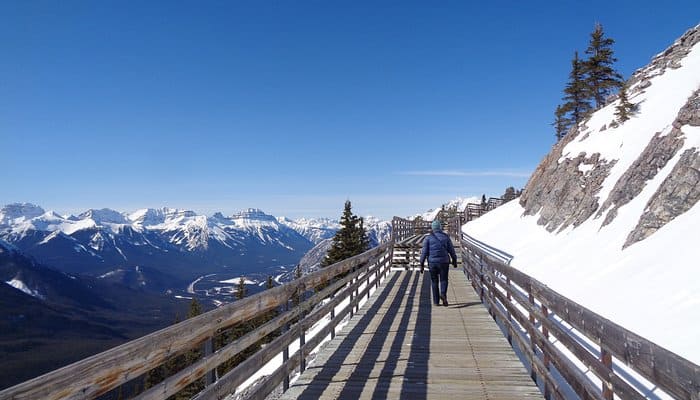
1. Explore Vancouver’s Neighborhoods and Local Culture

Vancouver is an excellent starting point for visitors who want to experience a combination of urban attractions, cultural diversity, and outdoor recreation. The city offers museums, public markets, waterfront paths, and distinct neighborhoods that reward travelers who take time to explore.

Visit Granville Island Public Market

Granville Island is a popular destination for local food, artisan products, independent shops, and creative spaces. Visitors can browse fresh produce, sample regional specialties, and discover handmade items from local vendors.

Instead of treating the market as a quick stop, give yourself time to explore. Enjoy a relaxed meal, speak with vendors when appropriate, and look for products that reflect the character of the region.

Walk Along Vancouver’s Waterfront

Vancouver’s waterfront provides scenic views and opportunities for a leisurely walk. You can explore sections of the seawall, watch boats in the harbor, or pause to appreciate views of the surrounding mountains.

Walking offers a simple way to incorporate movement into your vacation without requiring special equipment or extensive planning. It can also create a welcome break from busy sightseeing schedules.

2. Take a Scenic Drive Along the Sea to Sky Highway

The Sea to Sky Highway connects the Vancouver area with Squamish and Whistler, offering mountain views, coastal scenery, and access to outdoor attractions along the route.

For many first-time visitors, the drive is an experience in itself. You can plan stops at designated viewpoints, explore nearby communities, or choose a short walking trail before continuing toward your destination.

Make Time for Squamish and Whistler

Squamish is known for its mountain surroundings and outdoor recreation opportunities. Depending on your interests, you might explore a local park, enjoy a waterfront walk, or visit a suitable viewpoint.

Further north, Whistler offers mountain scenery, pedestrian-friendly village areas, restaurants, shops, and seasonal activities. Summer visitors may enjoy hiking and cycling, while winter travelers can explore snow-based recreation when conditions permit.

To make the most of this route, check weather forecasts, road conditions, parking information, and seasonal attraction schedules before leaving. Allow enough time for stops, and avoid rushing to fit every possible activity into one day.

3. Experience British Columbia’s Lakes and Coastal Landscapes

British Columbia’s lakes and coastlines offer some of the province’s most relaxing travel experiences. Whether you prefer a peaceful waterfront setting or an active day outdoors, there are plenty of ways to enjoy these natural environments.

Spend a Relaxing Afternoon Beside the Water

A lakeside picnic, a gentle beach walk, or a quiet afternoon watching the waves can be a refreshing change from crowded attractions. Bring a book, take photographs, or simply enjoy the surroundings.

These experiences can encourage you to slow down and appreciate the present moment. For travelers balancing demanding schedules or emotional stress, creating space for rest can make a vacation feel more restorative.

If you plan to swim, kayak, or canoe, check local conditions and safety guidance first. Use appropriate equipment and follow instructions from qualified guides when necessary.

Discover Coastal Communities

Consider exploring coastal destinations such as the Sunshine Coast or Vancouver Island. Depending on your itinerary, you may find small communities, harbor views, local shops, beaches, and opportunities for outdoor exploration.

Research ferry schedules and transportation arrangements in advance. Travel times, services, and availability can vary by route and season.

You do not need to plan every hour. Leaving room for an unplanned stop or a relaxed meal can make the journey feel more enjoyable and personal.

4. Discover Local History and Indigenous Cultural Experiences

A meaningful British Columbia getaway involves more than seeing beautiful landscapes. Learning about the people, traditions, and histories connected to a destination can deepen your appreciation of the province.

Visit Museums and Historic Districts

Museums, heritage sites, and local cultural centers can introduce you to the stories behind British Columbia’s communities. Depending on where you travel, you may learn about maritime history, regional industries, settlement, art, and the development of local towns.

Check opening hours and admission information before visiting, particularly if your trip takes place during a quieter travel season.

Learn From Indigenous-Led Experiences

British Columbia is home to many Indigenous Nations with distinct cultures, histories, and traditions. Indigenous-led tours, cultural centers, and educational programs can provide valuable opportunities to learn directly from community members.

Choose reputable experiences that respect Indigenous knowledge and community protocols. Follow guidance about photography, sacred places, and appropriate participation.

Approaching these experiences with curiosity and respect helps make travel more informative while supporting meaningful cultural exchange.

5. Explore Forest Trails and Nature Parks

Outdoor recreation is one of the main reasons travelers visit British Columbia. Forests, parks, and mountain landscapes provide opportunities for physical activity, photography, wildlife observation, and quiet reflection.

Choose a Trail That Matches Your Ability

You do not have to be an experienced hiker to enjoy the province’s natural beauty. Many parks offer shorter walks and accessible paths, although trail conditions and accessibility vary by location.

Before heading out, check current trail information, weather conditions, and any local advisories. Wear suitable footwear, bring water, and stay on marked trails.

During your walk, pay attention to the sounds, colors, and textures around you. Focusing on these details can make the experience more engaging and provide a simple opportunity to practice mindfulness.

Make Nature Part of a Healthy Routine

Spending time outdoors may help some people feel calmer and more connected to their surroundings. Walking, gentle stretching, and other manageable activities can also support an active lifestyle.

For individuals working through stress or addiction recovery, outdoor recreation may offer a constructive way to spend free time and practice healthier coping habits. However, nature-based activities should complement professional treatment when needed, rather than replace it.

Choose activities that feel comfortable and sustainable. Enjoying a short walk regularly can be more beneficial to your routine than pushing yourself through an exhausting excursion.

6. Sample Local Food and Enjoy Community Events

Food and community events offer another way to discover British Columbia beyond its best-known tourist attractions. They can help you experience local traditions, meet people, and learn more about the places you visit.

Try Regional Ingredients and Local Restaurants

Look for restaurants that feature seasonal produce, locally sourced ingredients, seafood, or regional specialties. Farmers’ markets can also provide opportunities to sample fresh foods and support local producers.

If you have dietary requirements, research dining options before your trip. Planning ahead can make meals less stressful and help you enjoy the experience.

Regular meals and adequate hydration are also useful considerations when traveling, particularly if you want to maintain a consistent routine during a busy vacation.

Look for Festivals, Art Shows, and Community Activities

Depending on the season, British Columbia communities may host outdoor concerts, cultural festivals, craft markets, and public art events. These activities can add variety to your itinerary without requiring an ambitious outdoor adventure.

Check local tourism websites and event calendars for current schedules. If you prefer quieter experiences, consider visiting during less crowded periods or choosing smaller community events.

You can make the experience more meaningful by allowing time to enjoy it without feeling pressured to photograph or document every moment.

7. Create Space for Relaxation, Reflection, and Connection

A successful British Columbia getaway does not need to be packed with attractions. Sometimes, the most memorable experiences happen when you slow down, reconnect with people, and give yourself time to reflect.

Balance Adventure With Rest

Planning too many activities can leave you exhausted. Instead, choose a few priorities for each day and leave space for meals, downtime, and unexpected discoveries.

For example, you could spend the morning exploring a nature trail, enjoy lunch in a nearby town, and leave the afternoon open. If you have more energy, visit another attraction. If you need rest, return to your accommodation and enjoy a quieter evening.

This flexible approach can make travel more enjoyable for people who are managing stress, emotional fatigue, or changing routines.

Use Journaling and Mindfulness to Reflect

A small notebook can help you remember what you enjoyed and identify experiences you want to carry into everyday life. At the end of each day, consider writing down what helped you feel relaxed, what challenged you, and what you would like to do differently in the future.

You can also practice mindfulness by putting your phone away for a few minutes and noticing your surroundings. Pay attention to your breathing, the sound of nearby water, or the feeling of fresh air.

These practices are not a substitute for mental health care, but they may complement other strategies for managing everyday stress.

Stay Connected to Supportive People

Shared experiences can strengthen relationships. Invite a trusted friend or family member to join you for a walk, a meal, or a cultural activity if that feels right for you.

For people in addiction recovery, traveling with someone who respects personal boundaries can provide reassurance. It may also help to discuss potential triggers, preferred activities, and support needs before leaving.

If you are receiving treatment, consider how your trip may affect appointments, medication schedules, or recovery routines. Consult your treatment team when travel could interfere with your care.

How Addiction Recovery and Mental Health Support Fit Into a Healthy Lifestyle

A British Columbia getaway can create opportunities for reflection, movement, and connection. However, it is important to recognize that a vacation alone cannot resolve addiction or ongoing mental health concerns.

People experiencing substance use challenges may benefit from professional treatment that addresses their individual needs, circumstances, and goals.

Consider Individualized Inpatient and Outpatient Care

Inpatient treatment provides a structured environment for people who need intensive support and supervision. Outpatient treatment allows eligible individuals to receive professional services while continuing to manage certain responsibilities at home.

The appropriate level of care depends on factors such as substance use history, withdrawal risks, mental health concerns, living arrangements, and available support. A qualified professional can help determine suitable options.

Explore Holistic and Faith-Based Approaches

Recovery often involves rebuilding healthy routines, strengthening relationships, and finding practical ways to manage stress. Holistic approaches may complement clinical treatment through mindfulness, physical activity, nutrition support, and other wellness practices.

For individuals who value spirituality, faith-based support may also provide a sense of community, purpose, and encouragement. These options should respect personal beliefs and remain appropriate to each person’s needs.

At Blogcat, addiction recovery and mental health support are relevant to a broader conversation about individualized well-being. If you are struggling, seeking professional guidance can help you explore treatment options and develop a plan that fits your circumstances.

Conclusion: Make Your First British Columbia Visit Meaningful

From Vancouver’s lively neighborhoods and the scenic Sea to Sky Highway to peaceful lakes, forest trails, and Indigenous-led cultural experiences, British Columbia offers memorable experiences for curious and first-time visitors. By balancing sightseeing with relaxation, you can enjoy the province at a pace that suits your interests and energy.

As you plan your trip, make room for healthy routines, meaningful connections, and time to appreciate your surroundings. These choices can help you return home with more than photographs. You may also discover activities and habits that support your well-being long after your vacation ends.

If addiction or mental health challenges are affecting your life, remember that support is available. Outdoor activities and mindfulness can complement a healthy lifestyle, while professional care can help address deeper concerns with compassion and an individualized approach.

Explore Blogcat’s resources to learn more about addiction recovery and mental health support. Reaching out for help can be an important first step toward a healthier, more balanced future.

Things to Do in British Columbia: A Visitor’s Guide to Local Culture, Scenic Drives, and Outdoor Fun

British Columbia offers visitors an impressive mix of coastal scenery, mountain landscapes, vibrant communities, and outdoor adventures. Whether you are planning your first visit or returning to explore somewhere new, there are countless things to do in British Columbia that go beyond the usual tourist attractions. You can discover local markets, take scenic drives, explore forest trails, and enjoy peaceful moments beside a lake or along the coast. These experiences can make a trip memorable while creating opportunities to slow down, connect with others, and support your overall well-being. For travelers who value mental wellness and healthy routines, British Columbia offers plenty of ways to enjoy a meaningful getaway at a comfortable pace.

Explore British Columbia’s Local Culture and Communities

One of the best ways to experience British Columbia is to spend time in the communities that give each destination its character. Beyond famous landmarks, local neighborhoods, markets, and cultural attractions can reveal a more personal side of the province.

Visit Local Markets and Independent Shops

Farmers’ markets and independent shops are excellent places to discover regional products, handmade crafts, fresh food, and locally created art. Depending on the community and season, you may find baked goods, seasonal produce, artisan gifts, and products made by local businesses.

Take your time browsing instead of treating the visit as another item to check off your itinerary. Talk with vendors when appropriate, sample regional specialties, and look for something that reflects the place you are visiting.

These simple experiences can also make travel feel less rushed. You have an opportunity to engage with your surroundings, support local businesses, and enjoy a break from a packed sightseeing schedule.

Learn About Indigenous Cultures and Local History

British Columbia is home to diverse Indigenous Nations, each with distinct histories, languages, traditions, and cultural practices. Visitors can learn through community-led tours, cultural centers, museums, and educational experiences offered by Indigenous organizations.

Choose experiences that are guided or endorsed by the communities sharing their knowledge. Follow local guidance about photography, sacred places, cultural protocols, and appropriate participation.

You can also explore regional museums and historic districts to learn how different communities developed over time. Approaching these experiences with curiosity and respect adds depth to your trip and encourages a greater appreciation of the people and places that make British Columbia unique.

Enjoy Local Food and Community Events

Food is another enjoyable way to connect with a destination. Look for restaurants featuring regional ingredients, seafood, seasonal produce, and locally inspired dishes. Depending on when you visit, you may also find outdoor concerts, art shows, community festivals, and seasonal celebrations.

Check event calendars before traveling because activities and opening hours can change throughout the year.

You do not need an elaborate reservation or expensive meal to create a memorable experience. Sometimes, a relaxed lunch at a neighborhood café or an afternoon at a local event becomes one of the highlights of a vacation.

Take a Scenic Drive Through British Columbia

For visitors who want to see more of the province, a scenic drive offers flexibility and access to a wide range of landscapes. From mountain views to coastal communities, British Columbia has routes that make the journey itself part of the experience.

Experience the Sea to Sky Highway

The Sea to Sky Highway, which connects the Vancouver area with Squamish and Whistler, is known for its mountain scenery, coastal views, and opportunities to stop at outdoor attractions along the way.

Depending on your schedule, you might explore a waterfront area, visit a viewpoint, or take a short walk before continuing your journey. Squamish offers access to outdoor recreation, while Whistler combines mountain scenery with shops, restaurants, and year-round activities.

Plan enough time to enjoy the stops without rushing. Before leaving, check road conditions, weather forecasts, parking information, and any seasonal restrictions. Use designated viewpoints and never stop in unsafe locations to take photographs.

Explore the Okanagan Valley

The Okanagan Valley is known for its lakes, orchards, warm-season recreation, and scenic communities. Visitors can enjoy waterfront walks, explore local shops, cycle suitable routes, or spend time relaxing near the water.

The region also has wineries and tasting experiences for adults who choose to participate. However, alcohol-centered activities are not necessary to enjoy the area. If you prefer substance-free recreation or are protecting your recovery, focus on lakeside activities, local food, markets, gardens, and outdoor attractions.

A flexible itinerary lets you enjoy the scenery without feeling pressured to participate in activities that do not fit your preferences.

Discover Coastal Communities and Waterfront Views

British Columbia’s coastal destinations offer a different atmosphere from its mountain regions. Depending on your route, you may discover harbor towns, beaches, forested shorelines, and communities connected by ferry services.

Consider exploring the Sunshine Coast, visiting waterfront neighborhoods, or planning a trip to Vancouver Island. Research ferry schedules and seasonal transportation requirements in advance, especially during busy travel periods.

A coastal drive can be particularly enjoyable when you leave time for short walks, quiet viewpoints, and relaxed meals. Remember that weather can change quickly near the water, so bring suitable clothing and check local conditions before heading out.

Enjoy Outdoor Adventures for Every Activity Level

Outdoor recreation is one of the biggest attractions for visitors wondering what to do in British Columbia. You do not need to be an experienced athlete to enjoy the province’s natural beauty. There are activities for people who want an energetic adventure as well as those who prefer gentle movement.

Walk Through Forests and Nature Parks

Forest trails and nature parks offer an accessible way to explore the landscape. Choose a well-maintained route that matches your fitness level, available time, and comfort with the terrain.

During your walk, pay attention to the sounds of birds, the movement of leaves, and the changing light around you. This can be a simple way to practice mindfulness while enjoying the outdoors.

Spending time in nature may support relaxation and help some people manage everyday stress. For individuals working on healthier routines, a walk can also provide a practical alternative to spending free time in environments associated with unhealthy habits.

Check trail conditions before setting out, bring water, and stay on marked paths. If you are exploring a remote area, let someone know your plans and carry appropriate safety equipment.

Spend Time Beside a Lake or Along the Coast

Not every outdoor experience needs to involve strenuous exercise. A lakeside picnic, a gentle beach walk, or an afternoon watching boats in a harbor can be just as rewarding.

Bring a book, take photographs, or simply sit somewhere comfortable and enjoy the view. These quieter activities provide room to pause and appreciate the present moment.

If you plan to swim, kayak, or canoe, check local safety information and weather conditions first. Wear appropriate safety equipment and follow guidance from qualified instructors when participating in unfamiliar activities.

Try Cycling or a Guided Outdoor Excursion

Cycling, guided nature tours, and beginner-friendly outdoor excursions can help you explore areas that might be difficult to discover on your own. Look for operators that explain the activity clearly, provide suitable equipment, and accommodate different experience levels.

Before booking, consider the length of the activity, physical requirements, transportation arrangements, and cancellation policies.

Choose experiences that feel enjoyable rather than those that create unnecessary pressure. A successful vacation is not measured by how many challenging activities you complete. It is measured by whether the experiences suit your interests and help you make the most of your time away.

Make Your British Columbia Getaway Support Your Well-Being

A vacation can be more than a break from work or everyday responsibilities. It can also offer a chance to reflect on your routines, reconnect with supportive people, and explore activities that help you feel grounded.

Balance Sightseeing With Time to Rest

Trying to fit too many attractions into one day can turn a relaxing trip into an exhausting schedule. Instead, select one or two main activities and leave space for meals, rest, and spontaneous discoveries.

For example, you could spend the morning walking along a waterfront trail, enjoy lunch at a local café, and leave the afternoon open. If you feel energized, explore another attraction. If you need rest, return to your accommodation without feeling that you have missed out.

This flexible approach can make travel more enjoyable, especially for people already managing stress or emotional fatigue.

Use Travel to Practice Mindfulness

Mindfulness means paying attention to the present moment without immediately judging what you notice. You can practice it while walking, eating, taking photographs, or sitting in a peaceful outdoor setting.

Try putting your phone away for a few minutes and noticing your surroundings. Pay attention to your breathing, the temperature of the air, or the sounds around you.

You might also keep a short travel journal. Write down what you enjoyed, what helped you relax, and which healthy habits you want to continue after returning home.

These practices are not a replacement for mental health treatment, but they may complement a broader approach to emotional well-being.

Plan Your Trip With Recovery and Mental Health in Mind

For people experiencing addiction recovery or mental health challenges, travel can be enjoyable, but it may also introduce unfamiliar situations and disrupt established routines. Planning ahead can help you protect your well-being while making room for new experiences.

Choose Activities That Fit Your Recovery Goals

Consider whether particular venues, events, or social settings could make you uncomfortable or expose you to substance-related triggers. If alcohol-centered environments are difficult for you, prioritize nature walks, cultural attractions, outdoor recreation, and other substance-free experiences.

It may also help to travel with someone who respects your recovery goals and understands your boundaries.

If you are receiving addiction treatment, speak with your treatment team before traveling if the trip could affect your appointments, medication schedule, or level of care. People at risk of withdrawal should seek medical guidance rather than attempting to manage symptoms while on vacation.

Recognize When Professional Support Can Help

Outdoor recreation, healthy routines, and supportive relationships can contribute to well-being. However, addiction and mental health concerns sometimes require structured professional care.

Inpatient treatment may be appropriate for individuals who need intensive support in a structured setting. Outpatient care can provide counseling and treatment while allowing eligible individuals to continue certain daily responsibilities. The right approach depends on each person’s needs, medical circumstances, and available support.

Holistic practices, such as mindfulness, movement, and stress management, may complement evidence-based treatment. Faith-based support can also be meaningful for people who want spirituality to be part of their recovery journey. Care should remain individualized and respectful of personal beliefs and preferences.

If substance use or emotional distress is affecting your daily life, reaching out for professional guidance can help you understand your options. You do not have to wait until a situation becomes a crisis to ask for support.

Conclusion: Make the Most of Your British Columbia Visit

From exploring local culture and historic communities to enjoying scenic drives and outdoor adventures, there are countless things to do in British Columbia. The most rewarding itinerary is one that reflects your interests, leaves room for rest, and allows you to appreciate the journey rather than rush from one attraction to the next.

Whether you prefer mountain views, coastal walks, local markets, or quiet moments beside a lake, choose experiences that make your trip enjoyable and meaningful. You can also use your time away to reconnect with healthy habits, strengthen supportive relationships, and reflect on what matters to you.

If you are navigating addiction recovery or mental health challenges, remember that you deserve care that respects your individual circumstances. Travel and time in nature can complement a healthy lifestyle, while professional treatment provides essential support when it is needed.

Explore Blogcat’s resources to learn more about addiction recovery, mental health support, and individualized approaches to well-being. Taking a positive step toward support today can help you build a healthier foundation for tomorrow’s adventures.

Build Your Ideal British Columbia Getaway: Scenic Activities for Adventure, Relaxation, and Reflection

Planning a British Columbia getaway is an opportunity to enjoy breathtaking landscapes, discover new experiences, and make time for your well-being. From mountain trails and peaceful lakes to coastal communities and scenic outdoor adventures, British Columbia offers something for travelers seeking excitement as well as those who want a slower, more restorative escape. With a thoughtful itinerary, you can balance adventure with relaxation, create meaningful memories, and develop healthy habits that support your physical and emotional wellness. For individuals navigating stress, mental health challenges, or addiction recovery, a well-planned getaway can also offer valuable opportunities to practice mindfulness and reconnect with what matters most.
Start Your British Columbia Getaway With a Clear Plan

The best trips begin with an understanding of what you want to gain from the experience. Some travelers want to explore unfamiliar places and try new activities. Others prefer quiet surroundings, gentle movement, and time away from everyday pressures. You can build a rewarding itinerary by combining these different priorities instead of trying to see everything at once.

Choose Activities That Match Your Travel Goals

Before booking accommodations or planning daily excursions, consider what would make your getaway meaningful. If you enjoy physical challenges, you might prioritize hiking, cycling, or guided outdoor adventures. If relaxation is your main goal, consider lakeside picnics, scenic drives, or quiet walks through nature.

You can also plan activities around personal growth. Journaling in a peaceful setting, visiting a local cultural attraction, or spending uninterrupted time with supportive friends can make your trip feel more purposeful.

Keep your schedule flexible. Allowing time for rest and unexpected discoveries often makes a vacation more enjoyable than following a rigid itinerary.

Consider Your Energy, Comfort, and Budget

A successful getaway should suit your circumstances. Think about your fitness level, transportation options, accommodation needs, and available budget before committing to activities.

For example, a short nature walk may provide just as much enjoyment as a demanding mountain hike if your main goal is to relax. Similarly, visiting a nearby park or exploring a local market can create memorable experiences without expensive bookings.

Planning within your limits reduces unnecessary pressure and allows you to focus on enjoying the journey.

Explore Scenic Outdoor Activities Across British Columbia

British Columbia’s varied landscapes make it an appealing destination for outdoor recreation. Whether you prefer mountains, forests, lakes, or coastal scenery, you can find ways to enjoy nature at a pace that works for you.

Discover Forest Trails and Mountain Views

Walking through a forest or along a mountain trail offers a chance to experience the province’s natural beauty firsthand. Choose a trail that matches your ability and check current conditions before setting out.

During your walk, pay attention to the environment around you. Notice the sounds of birds, the changing light, and the textures of the landscape. This simple form of mindfulness can help you step away from constant distractions and focus on the present moment.

For people managing stress or working toward recovery, gentle outdoor movement may also provide a healthy way to spend free time. It can become part of a broader routine that includes rest, supportive relationships, and professional care when needed.

Always bring suitable footwear, water, weather-appropriate clothing, and a charged phone. Tell someone about your plans when exploring more remote areas.

Enjoy Lakeside Escapes and Coastal Scenery

A peaceful lake or scenic coastline can offer a welcome contrast to a busy schedule. Consider spending a morning beside the water, enjoying a picnic, photographing the landscape, or taking a leisurely walk along a waterfront path.

If you prefer a more active experience, look into kayaking, canoeing, or other guided water activities that suit your abilities. Check local safety guidance, weather conditions, and equipment requirements before participating.

These experiences can encourage you to slow down without feeling that you need to accomplish something at every moment. Sometimes, sitting quietly and appreciating your surroundings is enough to make a day memorable.

Add a Gentle Outdoor Adventure

Adventure does not have to mean taking extreme risks or pushing yourself beyond your limits. Cycling on a suitable route, joining a guided nature excursion, or exploring a new park can provide excitement while remaining manageable.

Choose activities that feel enjoyable rather than intimidating. If you are returning to physical activity after a period of illness, stress, or substance use, start gradually and seek medical advice if you have concerns about what is appropriate for you.

The goal is to find experiences that support your well-being while allowing you to appreciate British Columbia’s remarkable scenery.

Make Time for Relaxation and Emotional Renewal

A getaway can be more rewarding when you intentionally create space for rest. Constant sightseeing may leave you tired, especially if you are already managing work pressures, emotional strain, or personal challenges.

Build Quiet Moments Into Your Itinerary

Rather than scheduling every hour, set aside time for activities that help you unwind. You might read beside a window overlooking the mountains, enjoy a slow breakfast, listen to calming music, or spend an afternoon exploring a quiet neighborhood.

These simple choices can help you notice what makes you feel comfortable and refreshed. They also remind you that rest is a valuable part of a healthy lifestyle, not something you must earn after completing a long list of tasks.

If you find it difficult to slow down, try setting aside ten minutes each day without notifications or other distractions. Use that time to breathe comfortably, observe your surroundings, or reflect on how you are feeling.

Use Journaling to Gain Perspective

Travel can provide distance from familiar routines, making it easier to think about your priorities and personal goals. Bringing a notebook can help you make the most of these moments.

You might write about the experiences you enjoyed, the situations that caused stress, or the habits you want to maintain when you return home. Consider asking yourself:

  • What helped me feel calm and connected today?
  • Which activities gave me energy rather than leaving me exhausted?
  • What would I like to change about my everyday routine?
  • Who helps me feel supported and understood?

For people in addiction recovery, these reflections may help identify effective coping strategies and personal sources of motivation. If difficult feelings arise, consider discussing them with a therapist or trusted support person.

Plan a Getaway That Supports Addiction Recovery

Travel can introduce new experiences, but it can also disrupt the routines that help people maintain recovery. Changes in sleep, unfamiliar environments, social pressure, and exposure to substances may create challenges for some travelers.

Planning ahead can help you enjoy your trip while respecting your individual needs.

Recognize Potential Triggers Before You Leave

Consider which situations could make your getaway more difficult. You may feel uncomfortable around alcohol-centered events, struggle with unstructured time, or experience increased anxiety when separated from familiar support systems.

Once you understand your needs, make practical adjustments. Choose substance-free activities, arrange supportive company, and avoid environments where you expect to feel pressured or unsafe.

You can also create a simple plan for difficult moments. Identify someone you can contact, choose a quiet place to take a break, and keep a list of coping strategies that have helped you before.

There is no need to feel embarrassed about setting boundaries. Protecting your well-being is a reasonable and important part of recovery.

Maintain the Routines That Help You Stay Well

A vacation does not have to interrupt every healthy habit you have developed. If you benefit from regular meals, exercise, medication, counseling, or peer support, plan how to maintain those practices while away.

Arrange medication supplies and professional appointments in advance, and check whether suitable support services are available at your destination. If you are receiving structured addiction treatment, consult your treatment team before traveling to ensure the trip will not interfere with your care.

People at risk of alcohol or drug withdrawal should seek medical guidance before making travel plans. Withdrawal can sometimes be dangerous, and a scenic setting or wellness activity is not a substitute for appropriate medical supervision.

Most importantly, remain flexible. If you need additional rest or decide to skip an activity, adjust your schedule without treating it as a setback.

Understand the Role of Holistic and Individualized Care

Physical surroundings, recreation, and healthy routines can contribute to overall well-being. However, people facing addiction or ongoing mental health concerns may need professional treatment to address the underlying challenges affecting their lives.

At Blogcat, the focus on addiction recovery and mental health support aligns with the understanding that every person’s needs and circumstances are different. Lasting progress often requires a personalized approach that considers emotional health, physical well-being, relationships, and individual goals.

Explore Inpatient and Outpatient Treatment Options

Inpatient treatment can provide a structured setting for people who need intensive support, supervision, and distance from environments associated with substance use. Outpatient care may allow eligible individuals to receive treatment while continuing to manage responsibilities at home.

The appropriate level of care depends on several factors, including substance use history, withdrawal risks, mental health needs, living arrangements, and available support. A qualified professional can help determine which option is suitable.

Treatment may include counseling, recovery planning, evidence-based therapies, and ongoing support to help people develop practical coping skills.

Consider Holistic and Faith-Based Approaches

For many people, recovery involves rebuilding a sense of purpose alongside addressing substance use. Holistic practices such as mindfulness, physical activity, nutrition support, and stress management may complement a professional treatment plan.

Faith-based support may also be meaningful for individuals who draw strength from spirituality, prayer, or a faith community. These options should respect personal beliefs and preferences rather than impose a particular approach.

A British Columbia getaway may provide opportunities to practice mindfulness, reconnect with supportive people, or reflect on personal values. However, travel alone cannot treat addiction or replace needed mental health services.

The most helpful approach is one that combines appropriate professional care with healthy activities and support that fit the individual.

Turn Your Travel Experiences Into Lasting Healthy Habits

A memorable vacation can inspire changes that continue long after you return home. Think about which parts of your trip helped you feel more balanced, energized, or connected.

You might decide to take regular walks, spend more time outdoors, schedule quiet periods during busy weeks, or make greater room for supportive relationships. These small actions can make healthy routines feel more achievable.

It is also important to recognize that personal growth does not happen all at once. If you are recovering from addiction or managing a mental health concern, there may be difficult days even after a positive travel experience. Progress comes from consistent effort, appropriate support, and the willingness to adjust when circumstances change.

If your getaway brings attention to concerns you have been avoiding, consider reaching out for professional guidance. Early support can help you understand your options and develop a plan that reflects your needs.

Conclusion: Create a British Columbia Getaway That Works for You

Building your ideal British Columbia getaway means finding the right balance between adventure, relaxation, and reflection. Scenic walks, lakeside afternoons, cultural experiences, and quiet moments can help you enjoy the province while making space for healthier routines and meaningful connections.

If you are navigating addiction recovery or mental health challenges, thoughtful planning can help you protect your progress while still enjoying new experiences. Remember that nature and recreation can complement professional care, but lasting recovery may also require structured treatment, ongoing support, and an individualized plan.

You deserve support that recognizes your circumstances and respects your goals. Explore Blogcat’s addiction recovery and mental health resources to learn more about available approaches to care. Taking the next step toward professional support can help you build a stronger foundation for well-being, both during your next getaway and in everyday life.

Beyond Sightseeing: Healthy and Enjoyable Ways to Experience a British Columbia Getaway

A British Columbia getaway can offer much more than beautiful scenery and memorable photographs. From peaceful forest walks and lakeside relaxation to local cultural experiences and outdoor adventures, the province provides countless opportunities to slow down, reconnect with yourself, and enjoy healthier routines. For people managing stress, supporting their mental health, or working toward addiction recovery, these experiences can also encourage reflection, balance, and renewed motivation. With thoughtful planning, a trip to British Columbia can become an opportunity to enjoy the present while strengthening habits that support long-term well-being.
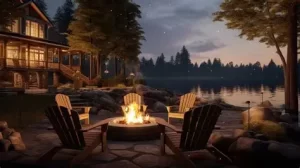
Discover the Wellness Benefits of a British Columbia Getaway

Travel does not have to revolve around crowded attractions, packed schedules, or constant activity. In fact, some of the most rewarding travel experiences involve simple pleasures that allow you to rest, explore, and feel more connected to your surroundings.

British Columbia offers a diverse setting for this kind of meaningful getaway. Visitors can enjoy coastal communities, mountain landscapes, forest trails, lakes, and welcoming local destinations. Choosing activities that match your interests and energy levels can make your trip more enjoyable and less stressful.

For individuals in addiction recovery, a change of scenery may also provide an opportunity to practice healthy coping strategies in a new environment. Although travel is not a substitute for addiction treatment or mental health care, it can complement a broader wellness plan when approached with realistic expectations.

Choose Outdoor Activities That Support Mental Wellness

Spending time outdoors can be an enjoyable way to incorporate movement, relaxation, and mindfulness into a vacation. You do not need to attempt a demanding hike or plan an elaborate excursion to appreciate the benefits of exploring British Columbia’s natural surroundings.

Take a Mindful Walk Through Nature

Walking through a forest, along a waterfront path, or around a quiet lake offers a simple way to step away from everyday distractions. Instead of focusing on reaching a destination quickly, pay attention to the sounds, colors, and textures around you.

Notice the movement of the trees, the sound of nearby water, or the feeling of fresh air. This practice encourages you to focus on the present moment rather than becoming caught up in worries about the past or future.

Mindful walking can be especially useful for people who are learning healthier ways to respond to stress. It provides an opportunity to pause, recognize emotions, and practice slowing down before reacting to difficult thoughts or situations.

Choose accessible trails that suit your fitness level, check local conditions, and bring water and appropriate footwear. A comfortable, manageable walk is often more rewarding than an activity that leaves you exhausted.

Enjoy Lakeside and Coastal Relaxation

British Columbia’s lakes and coastline offer opportunities to relax without following a demanding itinerary. You might spend a morning watching the water, enjoy a picnic beside a lake, or take a gentle walk along a beach.

These quieter experiences can create space for reflection and meaningful conversation. They can also help travelers recognize that relaxation does not always require entertainment, spending money, or constant stimulation.

If you are recovering from addiction, consider how peaceful outdoor activities fit into your existing wellness routine. Reading, journaling, gentle stretching, or simply sitting outdoors can become healthy ways to manage stress without relying on substances.

Always check local swimming conditions, weather forecasts, and safety guidance before participating in water activities.

Try an Outdoor Activity That Matches Your Energy

Not every visitor enjoys the same type of adventure. Some people prefer kayaking, cycling, or guided nature excursions, while others feel more comfortable with short walks and relaxed sightseeing.

Choose activities based on your abilities, interests, and current needs. If you are new to exercise or returning to physical activity after a difficult period, begin with manageable options and build gradually.

The purpose is not to prove how much you can accomplish during your trip. Instead, look for activities that help you feel engaged, comfortable, and connected to the experience.

Make Room for Meaningful Local Experiences

A fulfilling British Columbia vacation can include more than outdoor recreation. Exploring local communities, learning about regional culture, and enjoying everyday experiences can make a trip feel personal and memorable.

Explore Local Markets, Art, and Community Events

Visit a local market, browse independent shops, explore an art gallery, or attend a community event when available. These activities offer a chance to discover the character of a destination beyond its most photographed attractions.

You can also learn about local history and Indigenous cultures through respectful, community-led experiences. Look for opportunities organized by Indigenous communities and follow their guidance regarding cultural protocols, photography, and participation.

Meaningful cultural experiences encourage curiosity and help travelers appreciate perspectives beyond their own. They can also provide a welcome alternative to spending an entire vacation focused on screens or passive entertainment.

Enjoy Food That Helps You Feel Your Best

Eating well during a getaway does not mean following a strict diet or avoiding every indulgence. It means making choices that help you feel comfortable, energized, and prepared to enjoy your activities.

Explore local produce, enjoy balanced meals, and keep water available throughout the day. If you have specific dietary needs, plan ahead so that finding suitable food does not become an unnecessary source of stress.

Regular meals can be particularly important for people rebuilding healthy routines during addiction recovery. Adequate nutrition, hydration, and rest support general well-being, although they do not independently treat substance use disorders.

If you are early in recovery, remember that a vacation can disrupt familiar routines. Planning meals and rest periods in advance may help you maintain a sense of stability.

Build a Getaway Around Healthy Habits

One of the most valuable aspects of a wellness-minded vacation is the opportunity to practice habits that remain useful after returning home. Rather than treating your trip as an escape from every responsibility, use it to explore sustainable ways of caring for yourself.

Balance Adventure With Rest

It can be tempting to schedule several attractions each day, especially when visiting a destination as varied as British Columbia. However, an overloaded itinerary can leave you feeling rushed and depleted.

Try choosing one main activity each day, then leave room for spontaneous discoveries and downtime. For example, you could take a morning walk, enjoy a relaxed lunch, and spend the afternoon reading or exploring a nearby community.

This approach can reduce unnecessary pressure and make it easier to respond to your actual needs. Rest is not wasted vacation time. It is part of maintaining your physical and emotional energy.

Use Journaling to Reflect on Your Experience

Bringing a notebook on your trip can help you recognize what makes you feel calm, engaged, and supported. You do not need to write lengthy entries. A few sentences each evening may be enough.

Consider reflecting on questions such as:

  • Which activity helped me feel most relaxed today?
  • What situations increased my stress, and how did I respond?
  • Which healthy habits would I like to continue at home?
  • What people, places, or experiences helped me feel connected?

For someone in recovery, these reflections may reveal useful information about personal triggers, coping strategies, and sources of encouragement. If journaling brings up difficult emotions, consider discussing them with a counselor or trusted support person.

Stay Connected to Supportive People

Travel can strengthen relationships when it creates opportunities for honest conversations and shared experiences. Consider inviting a trusted friend or family member who respects your boundaries and supports your well-being.

You do not need to fill every moment with conversation. Walking together, sharing a meal, or enjoying a scenic view can create meaningful connections without pressure.

If you are in addiction recovery, discuss your needs with your travel companions before leaving. Let them know which situations you prefer to avoid and what kind of support would be helpful. Clear communication can make the trip feel safer and more comfortable.

Plan Your Trip With Addiction Recovery in Mind

A British Columbia getaway can be enjoyable while still requiring careful planning, particularly if you are managing cravings, emotional challenges, or a co-occurring mental health condition.

Identify Potential Triggers Before You Travel

Unfamiliar environments can introduce situations that make recovery more challenging. These might include alcohol-centered social events, disrupted sleep, isolation, unexpected stress, or pressure to participate in activities that do not align with your goals.

Before traveling, consider which situations may affect your well-being. You can then choose accommodations, activities, and travel companions that support your recovery priorities.

For example, you might select substance-free activities, plan quiet time after busy outings, or avoid venues where you expect to feel uncomfortable. Having an alternative activity ready can make it easier to maintain your boundaries.

Keep Your Recovery Routine Accessible

Travel does not mean you must abandon the practices that help you stay well. If you attend support meetings, speak with a therapist, follow a prescribed medication plan, or use particular coping strategies, consider how to maintain those supports while away.

Arrange any necessary appointments or medication supplies in advance, and identify suitable professional or peer support options at your destination when appropriate. If you receive inpatient or outpatient treatment, consult your treatment team before making travel plans that could interfere with your care.

People recovering from alcohol or drug dependence may face serious risks if they stop certain substances abruptly. If you are concerned about withdrawal, seek medical guidance rather than attempting to manage it through travel or a wellness retreat.

Most importantly, give yourself permission to adjust your plans. Skipping an activity or returning to your accommodation early is a reasonable choice when it protects your well-being.

Understand How Professional Treatment Supports Lasting Change

Healthy recreation can contribute to a balanced lifestyle, but addiction recovery often requires more comprehensive support. Substance use disorders can affect physical health, emotional regulation, relationships, and daily responsibilities. Mental health concerns may also occur alongside substance use, making individualized care especially important.

Professional treatment helps people understand these challenges and develop strategies suited to their circumstances.

Consider Individualized Inpatient or Outpatient Care

Inpatient treatment may provide a structured environment for people who need intensive support and supervision. Outpatient treatment allows eligible individuals to receive professional care while continuing to manage certain responsibilities at home.

The right level of care depends on factors such as substance use history, withdrawal risk, mental health needs, living circumstances, and available support. A qualified professional can help assess these factors and recommend an appropriate treatment plan.

Explore Holistic and Faith-Based Support When Appropriate

Recovery involves more than avoiding substances. Many people also want to improve their emotional well-being, rebuild relationships, develop healthier routines, and rediscover a sense of purpose.

Holistic approaches may complement clinical treatment through activities such as mindfulness, healthy movement, stress management, and reflective practices. For people who find meaning in spirituality, faith-based support may also provide encouragement and a sense of community.

These approaches should reflect each person’s preferences and needs. Faith-based care should be offered respectfully, without pressure, and alongside appropriate professional treatment.

A nature-focused getaway can reinforce some of these healthy practices, but it cannot replace assessment, therapy, medical care, or ongoing recovery support when those services are needed.

Bring the Benefits of Your British Columbia Getaway Home

The most meaningful part of a vacation may be the habits you choose to continue after it ends. You do not need to recreate an entire trip to maintain the sense of balance you experienced while away.

Start with small, realistic steps. Schedule regular walks, spend time outdoors when possible, prepare nourishing meals, or set aside a few minutes for reflection. You might also reconnect with a supportive friend or make time for activities that help you feel grounded.

If your trip revealed that stress, loneliness, anxiety, or substance use concerns are affecting your quality of life, consider speaking with a qualified professional. Recognizing that you need support is not a failure. It is an opportunity to address challenges with guidance and a clearer plan.

Recovery is not a perfectly straight path, and lasting change rarely depends on one experience. Consistent support, practical coping skills, and care that respects your individual circumstances can make a meaningful difference over time.

Conclusion: Make Your Next British Columbia Getaway Meaningful

Beyond sightseeing, a British Columbia getaway can offer opportunities to enjoy nature, discover local culture, strengthen healthy routines, and spend meaningful time with supportive people. By balancing outdoor activities with rest, planning around your personal needs, and staying connected to appropriate support, you can create a trip that feels both enjoyable and purposeful.

If you are working toward addiction recovery or managing mental health challenges, remember that you do not have to figure everything out alone. A peaceful setting can provide room to reflect, but professional guidance can help you turn those insights into lasting changes.

Explore the support and resources available through Blogcat to learn more about addiction recovery, mental health care, and individualized approaches to well-being. Taking the next step toward support can help you build a healthier foundation for the experiences and opportunities ahead.

From Lakeside Mornings to Coastal Evenings: Simple Things to Do on a BC Vacation

A BC vacation does not have to be packed with expensive attractions or demanding adventures to be memorable. Some of the most meaningful experiences in British Columbia can be remarkably simple: drinking coffee beside a quiet lake, walking along the shoreline, exploring a local community, watching the sunset, or spending an afternoon surrounded by trees. For people working through addiction recovery or mental health challenges, these experiences can offer something especially valuable: healthy ways to slow down, manage stress, reconnect with others, and enjoy life without relying on substances.

British Columbia provides an exceptional setting for this kind of getaway. Its lakes, coastline, forests, parks, mountains, and communities give visitors plenty of choices. However, the best trip is not necessarily the one with the longest itinerary. It is the one that leaves you feeling refreshed rather than exhausted.

Travel is not a replacement for professional addiction treatment or mental health care. Still, a thoughtfully planned vacation can complement recovery by giving you opportunities to practise healthy routines and experience recreation in a positive environment.

Why Simple Activities Can Make a BC Vacation More Meaningful

There is often pressure to make a vacation exciting from beginning to end. People create long lists of attractions, book activities back to back, and worry about missing something.

That approach can become stressful.

A slower vacation creates room for experiences that do not require constant stimulation. You can wake up without rushing, spend time outside, have meaningful conversations, and notice what is happening around you.

For someone in recovery, this can be more important than it first appears.

Addiction can become closely connected with patterns of stress, avoidance, isolation, and unhealthy coping. Recovery involves developing different ways to respond. Simple activities such as walking, journaling, exercising, spending time with supportive people, and enjoying nature can become part of that process.

Start With a Peaceful Lakeside Morning

A quiet morning beside a lake can set the tone for an entire vacation.

Instead of immediately checking messages or rushing toward your first attraction, give yourself some time to wake up slowly. Have breakfast. Sit outdoors. Take a short walk along the shoreline.

You do not need a complicated mindfulness routine.

Simply notice your surroundings.

Listen to the water. Pay attention to the weather. Notice how your body feels after a good night’s sleep. Think about what you want from the day.

Try a Morning Reflection

If you keep a journal, bring it outside.

Write down three things you are grateful for, one thing you want to accomplish, and one thing you can let go of for the day.

This exercise can help you begin the morning with intention rather than immediately reacting to everything around you.

For someone in recovery, that small pause can reinforce an important principle: you have choices about how you respond to your thoughts, emotions, and circumstances.

Take a Relaxed Walk Near the Water

Walking is one of the easiest activities to include in a BC vacation.

You can explore a lakeside path, waterfront area, community trail, or suitable park route. The goal does not have to be exercise in the traditional sense.

Walk because it feels good to move.

Leave enough time to stop and enjoy the scenery. Take photographs. Talk with your travel companion. Sit on a bench for a while.

Use Walking as a Grounding Practice

If you find yourself becoming anxious or overwhelmed, use your surroundings to bring your attention back to the present.

Notice five things you can see. Listen for nearby sounds. Pay attention to your breathing and the feeling of your feet touching the ground.

Grounding does not eliminate difficult emotions. Instead, it can give you a moment to pause and regain awareness.

These skills can be useful during travel and long after you return home.

Explore a BC Community Without Rushing

Some of the best vacation experiences happen away from major attractions.

Choose a community that interests you and spend several hours simply exploring.

Walk through local streets. Visit independent businesses. Stop at a café. Look for a local market or cultural attraction. Enjoy a meal without checking the time every few minutes.

This type of experience can make travel feel more personal.

It can also provide opportunities for healthy social interaction. For someone rebuilding relationships during recovery, being around supportive people and participating in ordinary social experiences can be an important part of rediscovering connection.

Make Time for a Simple Outdoor Meal

A picnic beside a lake, in a park, or near the coast can turn an ordinary afternoon into a memorable experience.

Choose food that works for your needs and find a comfortable place to sit. If you are travelling with family or friends, put the phones away for part of the meal and have a real conversation.

Ask questions. Talk about what you have seen. Discuss what you want to do next.

Shared experiences do not have to be complicated to strengthen relationships.

Focus on Connection, Not Perfection

Travel companions will not always agree on what to do.

Someone may want to hike while another person prefers to relax. One person may want to explore while another needs quiet time.

That is normal.

A recovery friendly vacation does not require everything to go perfectly. It requires enough flexibility to respect different needs and maintain healthy communication.

Enjoy a Calm Coastal Evening

As the day winds down, head toward the coast if your destination makes that possible.

A coastal evening can be simple. Walk along the shoreline. Watch the changing light. Listen to the waves. Take photographs. Find a quiet place to sit.

You do not need to fill every moment.

Watch the Sunset Without Your Phone

Try putting your phone away for a few minutes.

Instead of immediately photographing the sunset, watch it first.

This small decision can encourage you to experience the moment rather than documenting everything for later.

For people who struggle with constant digital stimulation, these periods of intentional disconnection can be surprisingly restorative.

Try a Healthy Activity You Can Continue at Home

A BC vacation can also help you discover activities that fit into your life after the trip.

You might enjoy:

  • Walking
  • Cycling
  • Swimming
  • Kayaking
  • Photography
  • Hiking
  • Journaling
  • Outdoor meditation
  • Birdwatching
  • Exploring local parks

The activity itself matters less than finding something you genuinely enjoy.

When an activity is enjoyable, you are more likely to continue doing it.

Avoid Turning Recreation Into Another Source of Pressure

Recovery is not a competition.

You do not have to hike the hardest trail, paddle the longest distance, or complete the most activities.

Choose experiences that match your abilities and current needs.

If your body needs rest, rest. If you are becoming overwhelmed, take a break. If an activity no longer feels enjoyable, change your plans.

Listening to yourself is part of building a healthier relationship with your own needs.

Plan Your Vacation With Recovery in Mind

A relaxing BC vacation still requires thoughtful planning if you are in addiction recovery.

Travel changes familiar routines. Sleep schedules may shift. You may encounter unfamiliar people and environments. Some destinations and social situations may also expose you to triggers.

Planning ahead can help reduce unnecessary risks.

Know Your Triggers

Before travelling, think about situations that could make recovery more difficult.

If certain environments, social settings, or activities are strongly associated with past substance use, consider whether they belong in your itinerary.

You do not have to participate simply because something is considered a traditional vacation activity.

Choose experiences that support where you are in your recovery today.

Protect Your Basic Routine

Try to maintain regular meals, adequate sleep, hydration, movement, and time for rest.

If you participate in counselling, peer support, or another form of treatment, plan ahead so that travel does not unnecessarily interrupt your care.

A vacation should give you a break from routine, not remove every source of stability.

Travel With People You Trust

The people you travel with can influence your experience.

Whenever possible, choose companions who understand your recovery goals and respect your boundaries.

It can help to discuss expectations before leaving. Decide what situations you want to avoid and how you will handle unexpected challenges.

Good communication can prevent small problems from becoming major sources of stress.

How Nature Can Complement Addiction Recovery

Nature is not a cure for addiction, and a vacation should never replace professional treatment. However, outdoor recreation can complement a broader recovery lifestyle.

A walk can provide physical activity. Time beside the water can create space for reflection. Photography can encourage mindfulness. A shared outdoor meal can strengthen relationships.

These experiences can help reinforce healthier alternatives to substance use.

At Blogcat Recovery, individualized care recognizes that addiction and mental health challenges affect each person differently. Support may include addiction recovery services, mental health treatment, inpatient care, outpatient care, holistic approaches, and faith based support for people who choose to incorporate spirituality into their recovery.

That individualized perspective is important because recovery is not a single formula.

What helps one person may not help another. Treatment should take personal circumstances, goals, challenges, values, and support needs into account.

Bring the Best Parts of Your Vacation Home

The real benefit of a relaxing vacation may be the habits you bring home.

Think about the moments when you felt most comfortable during your BC trip.

Was it the morning walk?

Was it sitting near the lake?

Was it the conversation you had with someone close to you?

Was it the time you spent away from your phone?

Was it discovering a new outdoor activity?

Choose one experience and make it part of your regular routine.

Create Your Own Small Escape

You do not have to wait for another vacation to experience that same sense of calm.

Take a walk after work. Eat lunch outside. Visit a nearby park. Keep a journal. Spend an hour without social media. Plan a weekend activity with someone you trust.

These small decisions can create healthier patterns in everyday life.

Recovery is built through repeated actions, not a single perfect moment.

A BC Vacation Can Be Simple and Still Matter

From quiet lakeside mornings to peaceful coastal evenings, British Columbia offers countless ways to enjoy a vacation without constantly rushing from one attraction to another.

For first time visitors and returning travellers alike, simple activities can create some of the strongest memories. More importantly, they can demonstrate that relaxation, enjoyment, connection, and adventure can exist without unhealthy coping strategies.

For someone facing addiction or mental health challenges, that realization can be meaningful.

You deserve opportunities to experience life beyond substance use. You deserve activities that support your physical and emotional well-being. Most importantly, you deserve care that recognizes you as an individual rather than reducing your experience to a diagnosis.

If addiction or mental health concerns are interfering with your ability to enjoy life, professional support can help. Blogcat Recovery offers individualized addiction and mental health care, including inpatient and outpatient options, holistic approaches, and faith based support for those who want spirituality to be part of their recovery.

A BC vacation can provide time to pause, reflect, and discover healthier ways to enjoy your surroundings. If you are ready to make deeper changes, reaching out for personalized support can be the next step toward building a healthier and more balanced life.

British Columbia for First-Time Visitors: Outdoor Experiences That Make a Getaway Memorable

For first time visitors, British Columbia can feel almost too large to take in during one trip. From coastal waters and old forests to mountain landscapes, lakes, rivers, and expansive provincial parks, the province offers an enormous variety of outdoor experiences. The key is not trying to see everything. Instead, choose activities that match your interests, energy level, and travel goals. For people interested in mental wellness or addiction recovery, a thoughtfully planned British Columbia getaway can also create opportunities to practise healthy recreation, reduce everyday stress, and experience enjoyment without relying on substances.
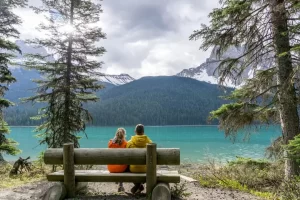
British Columbia’s parks provide opportunities for hiking, cycling, camping, boating, kayaking, fishing, and other outdoor activities. BC Parks manages campsites, day use areas, and thousands of kilometres of trails across the province.

For someone visiting British Columbia for the first time, that variety can be exciting. It can also be overwhelming. A little planning can help you create an experience that feels memorable without becoming exhausting.

Start With the Right Kind of British Columbia Adventure

A first trip to British Columbia does not have to involve extreme adventure.

You do not need to complete a difficult backcountry hike, pack every day with activities, or constantly move from one destination to another. A memorable getaway can include a gentle forest walk, a scenic ferry ride, a quiet afternoon beside a lake, or a short hike followed by a relaxed meal.

This distinction can be especially important for people in addiction recovery.

Recovery often involves learning how to manage stress, establish healthier routines, and find rewarding ways to spend time. Travel can provide an opportunity to practise those skills in a new environment.

The goal is not to escape from life. The goal is to experience life differently.

Outdoor Experiences First-Time Visitors Can Enjoy

Explore a Forest Trail

British Columbia’s forests are one of its defining natural features, and you do not have to be an experienced hiker to enjoy them.

First time visitors can start with a frontcountry trail or accessible day hike rather than immediately choosing a remote backcountry route. BC Parks notes that frontcountry trails are generally accessible by car and offer day hiking opportunities for different levels of ability and experience.

Choose a route that matches your current fitness and experience. Then slow down.

Listen to birds. Notice the trees. Pay attention to the ground beneath your feet. Put your phone away for part of the walk if you can do so safely.

This can turn an ordinary hike into an opportunity for mindfulness.

For someone working through addiction recovery, that awareness can be useful. Instead of automatically reacting to stress, you can practise noticing what you are experiencing and allowing yourself a moment before responding.

Spend Time Beside a Lake

British Columbia has countless lakes where visitors can enjoy peaceful outdoor experiences.

You might take a shoreline walk, have a picnic, read a book, take photographs, or simply sit and watch the water.

There is value in leaving some time completely unstructured.

People dealing with chronic stress sometimes become accustomed to filling every quiet moment with work, entertainment, social media, or other distractions. A peaceful lakeside setting can provide an opportunity to practise being comfortable with stillness.

That does not mean forcing yourself to meditate or think positively. Simply being present can be enough.

Try Kayaking or Canoeing

For visitors who are comfortable on the water, kayaking or canoeing can provide an engaging combination of physical activity and nature.

The repetitive movement of paddling can encourage concentration, while the surrounding scenery creates plenty of opportunities to disconnect from everyday distractions.

However, beginners should choose appropriate conditions and follow local safety guidance. Water conditions can change quickly, and outdoor recreation should always match your experience and abilities.

If you are in recovery, consider whether the activity supports your current wellness goals. The point is to discover healthy recreation, not to prove how adventurous you can be.

Take a Scenic Cycling Route

Cycling can be another enjoyable way to explore British Columbia.

A bike ride allows you to cover more ground than walking while still experiencing the environment at a slower pace than driving. Depending on your fitness and experience, you might choose a relatively easy route through a community, along a designated pathway, or through an appropriate recreational area.

Bring water, follow local cycling rules, and choose a route that fits your abilities.

Most importantly, enjoy the experience rather than turning it into a performance test.

Try a Day of Nature Photography

You do not need professional equipment to explore British Columbia through photography.

Take pictures of mountains, forests, shorelines, flowers, wildlife, clouds, or interesting details along a trail.

Photography can encourage you to pay closer attention to your surroundings. Instead of simply passing through a beautiful landscape, you start looking for texture, light, movement, and small moments worth remembering.

For someone practising mindfulness, this can be a simple way to focus attention on the present.

Choose Outdoor Experiences That Match Your Recovery

A first time visit to British Columbia can be exciting, but travel may also introduce unfamiliar stressors.

A new destination means a different schedule, unfamiliar surroundings, changes in sleep, and potentially new social situations. If you are recovering from substance use or managing mental health concerns, these changes deserve consideration.

Know Your Triggers Before You Travel

Think about situations that have created difficulties for you in the past.

If particular environments, social settings, or activities are connected with substance use, there is no reason to include them simply because they are popular tourist experiences.

Choose alternatives that support your recovery.

Your vacation does not need to resemble someone else’s itinerary.

Protect Your Daily Routine

Travel can be flexible while still maintaining basic structure.

Try to prioritize adequate sleep, regular meals, hydration, movement, and time for relaxation. If counselling, peer support, medication management, or another recovery service is part of your routine, plan ahead for how you will maintain that support while travelling.

Small routines can provide stability when everything else is unfamiliar.

Give Yourself Permission to Change Plans

Sometimes the best decision during a trip is to do less.

If you planned a long hike but wake up feeling exhausted, choose a shorter walk. If a crowded attraction feels overwhelming, find somewhere quieter. If you need an afternoon to rest, take it.

Flexibility is not failure.

It can be a sign that you are paying attention to what you actually need.

Make Your First BC Trip Safe and Responsible

Outdoor recreation is more enjoyable when you prepare properly.

Before visiting a park or trail, check current information about conditions, closures, weather, and access. BC Parks provides online maps and current travel information, including park boundaries, closures, weather information, highway conditions, evacuation alerts, and other useful planning details.

For hiking, know the difference between frontcountry and backcountry recreation. Backcountry routes can involve rugged terrain, changing weather, and limited services, and many are appropriate only for experienced and properly equipped hikers.

First time visitors should also remember that enjoying British Columbia means respecting the places they visit.

BC Parks encourages visitors to respect Indigenous rights and connections to the land, minimize environmental impact, follow Leave No Trace principles, protect wildlife, and help preserve the peace and natural character of parks.

How Outdoor Recreation Can Complement Recovery

Addiction recovery is not simply about stopping substance use. It can also involve rebuilding routines, improving relationships, addressing mental health concerns, developing healthier coping strategies, and rediscovering activities that provide genuine satisfaction.

That is where outdoor recreation can fit into a broader wellness lifestyle.

A forest walk can become an opportunity to practise grounding. Physical activity can support a healthier daily routine. A quiet outdoor setting can create room for reflection. A shared activity with a supportive person can strengthen connection.

However, nature and travel should complement professional care rather than replace it.

Blogcat Recovery’s approach recognizes that addiction and mental health concerns affect individuals differently. The site emphasizes individualized support, addiction recovery, mental health care, inpatient and outpatient options, holistic approaches, and faith based support for individuals who want spirituality included in their recovery.

This broader perspective matters because sustainable recovery often requires attention to the whole person.

Turn a Vacation Activity Into a Long-Term Habit

One of the most useful things about a British Columbia getaway is discovering activities you can continue after returning home.

Maybe you discover that walking helps you clear your mind. Perhaps kayaking gives you a healthy outlet for stress. You might realize that spending time outdoors helps you sleep better or that photography gives you something positive to focus on.

Pay attention to those discoveries.

Ask Yourself What Actually Helped

At the end of your trip, consider a few simple questions:

What activity made me feel most present?

When did I feel most relaxed?

What helped me connect with other people?

What healthy activity would I enjoy doing at home?

What situations made me feel stressed or uncomfortable?

These questions can help turn a vacation into a learning experience.

Bring One New Habit Home

You do not need to completely redesign your life after a trip.

Start with one manageable habit.

Take a short walk several times a week. Spend an afternoon outdoors. Keep a journal. Try a new form of exercise. Schedule regular time with supportive people.

Recovery is often strengthened by small choices repeated consistently.

Make Your First British Columbia Visit Meaningful

British Columbia offers first time visitors an extraordinary range of outdoor experiences, but you do not need to experience all of them in one trip. A forest trail, lakeside afternoon, kayaking excursion, cycling route, or photography walk can become memorable when you give yourself enough time to actually experience it.

For someone focused on addiction recovery or mental wellness, the deeper value may be discovering that recreation, connection, nature, and adventure can all become part of a healthier lifestyle.

Travel will not solve addiction or replace mental health treatment. Yet it can provide an opportunity to practise the skills that support a more balanced life.

If addiction or mental health concerns are making it difficult to build that balance, professional support can provide the structure and individualized guidance you need. Blogcat Recovery offers addiction recovery and mental health support through inpatient and outpatient care, holistic approaches, individualized treatment, and faith based support for those who choose it.

Your first British Columbia adventure can be more than a sightseeing trip. It can be a chance to discover healthier ways to spend your time, manage stress, connect with others, and appreciate the life you are working to build. When you are ready to take the next step, reaching out for personalized professional support can help turn those intentions into lasting change.

A Slower Side of British Columbia: Relaxing Things to Do on Your Next Getaway

A British Columbia getaway does not have to mean filling every day with attractions, long drives, and demanding activities. Sometimes, the most rewarding way to experience the province is to slow down. A quiet morning near the water, an unhurried walk through nature, time spent exploring a small community, or an afternoon with a good book can create space to breathe and reconnect with yourself. For people dealing with stress, emotional exhaustion, or the challenges of addiction recovery, these simple experiences can also provide healthy alternatives to old patterns of coping.
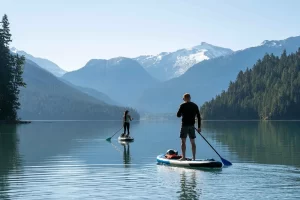
British Columbia offers an ideal setting for this kind of travel. Its coastline, forests, lakes, mountains, parks, and communities provide countless opportunities to step away from the pressure of everyday life without needing to create a demanding itinerary.

At the same time, it is important to keep travel in perspective. A getaway cannot replace addiction treatment or mental health care. However, intentional travel can complement professional support by giving people opportunities to practise healthy routines, spend time outdoors, reflect on personal goals, and discover enjoyable activities that do not involve substances.

Why Slow Travel Can Be Meaningful During Recovery

Modern travel often focuses on doing as much as possible. Visitors may create detailed schedules, rush between attractions, and feel pressure to make every hour count.

That approach is not always helpful.

For someone working on recovery or emotional wellness, constant stimulation can become another source of stress. A slower getaway provides an opportunity to practise something that can be difficult in everyday life: being present without needing to escape uncomfortable feelings.

A quiet environment can also make it easier to notice your thoughts and emotions. Instead of immediately reacting to stress, you can pause, breathe, and decide how you want to respond.

This is consistent with a broader recovery mindset. Healthy change is not about creating a perfect life overnight. It is about developing practical habits that can be repeated consistently.

Relaxing Things to Do in British Columbia

Take an Unhurried Walk

Walking is one of the simplest ways to experience British Columbia without turning your vacation into a fitness challenge.

Choose a safe route near the coast, through a forest, around a lake, or within a community. Walk at a comfortable pace and pay attention to what is happening around you.

Notice the sound of birds, the movement of trees, the feel of the ground beneath your feet, or the changing light.

If your thoughts become busy, gently bring your attention back to your surroundings.

This type of mindful walking can be especially useful for people learning healthier ways to manage stress. There is no need to walk a certain distance or reach a particular destination. The experience itself can be enough.

Spend Time Near the Water

Water has a natural ability to create a sense of spaciousness. Whether you are beside an ocean, lake, river, or smaller body of water, sitting quietly and observing your surroundings can provide a welcome break from constant stimulation.

Bring a journal. Read for a while. Have a quiet conversation with someone you trust. Or simply sit and watch the water.

The goal is not to force yourself to feel a certain way. Instead, give yourself permission to pause.

For someone in recovery, learning to become comfortable with peaceful moments can be an important part of developing healthier routines.

Explore Small Communities at Your Own Pace

A British Columbia getaway does not need to revolve around major attractions.

Spend time exploring a smaller community. Walk through local streets. Visit independent shops. Find a café. Enjoy a meal. Learn about the area’s history or culture.

Give yourself enough time to actually experience the place instead of simply photographing it and moving on.

This type of travel can encourage connection and curiosity while reducing the pressure to constantly search for the next activity.

Have a Quiet Picnic Outdoors

A picnic may sound simple, but that is precisely what makes it appealing.

Choose a peaceful outdoor location, bring food you enjoy, and leave your phone aside for part of the meal. If you are travelling with someone, use the opportunity to have a genuine conversation.

For people rebuilding relationships during recovery, shared experiences can be especially meaningful. Connection does not always require a major event. Sometimes, sitting together and talking without distractions is enough.

Try Nature Photography

You do not need expensive equipment to enjoy photography.

Use your phone or camera to look closely at your surroundings. Photograph trees, mountains, clouds, shorelines, architecture, flowers, wildlife, or small details that you might otherwise overlook.

Photography encourages observation. Instead of rushing through a landscape, you begin looking carefully at what is in front of you.

That shift in attention can support mindfulness and help make a simple walk or sightseeing trip feel more engaging.

Create a British Columbia Getaway That Supports Wellness

A relaxing vacation starts before you arrive at your destination.

If you are in addiction recovery or managing mental health concerns, consider how your travel plans may affect your routines and emotional well-being.

Plan Around Your Energy Level

Do not build an itinerary that assumes you will feel energetic every day.

Some people may enjoy hiking or kayaking. Others may benefit more from gentle walks, sightseeing, reading, or quiet time outdoors.

Choose activities that fit your current physical and emotional capacity.

There is no reward for exhausting yourself.

A successful getaway should leave you with positive memories rather than a feeling that you need another break when you return home.

Identify Potential Triggers

Travel can introduce unfamiliar environments, social situations, and routines. For someone in recovery, some of these circumstances may create unnecessary challenges.

Before travelling, consider your personal triggers.

If certain environments, social settings, or activities are connected with previous substance use, plan accordingly. You can choose different accommodations, activities, or destinations without feeling guilty about protecting your recovery.

Your vacation does not need to look like anyone else’s.

Protect Your Basic Routine

A change of scenery does not mean abandoning the habits that help you stay well.

Try to maintain reasonable sleep, regular meals, hydration, movement, and time for rest.

If you receive counselling, participate in peer support, or follow another recovery plan, think ahead about how you will maintain those connections while travelling.

Small routines can provide stability even when everything else around you is unfamiliar.

Let Nature Complement Your Recovery

Recovery involves more than avoiding substances. Many people also need to address emotional health, relationships, physical wellness, daily routines, personal values, and sometimes spiritual needs.

That is why individualized care can be so important.

Blogcat Recovery’s approach recognizes that people have different circumstances and different support needs. Addiction recovery and mental health treatment may include inpatient or outpatient care, depending on the person’s situation. Holistic approaches can address broader aspects of wellness, while faith based support can be meaningful for individuals who want spirituality included in their recovery.

Time spent outdoors can complement these efforts.

A walk can provide an opportunity to practise mindfulness. Physical activity can support healthier routines. Quiet surroundings can create space for reflection. Time with supportive people can strengthen relationships.

However, nature should be viewed as one part of a broader wellness lifestyle, not as a cure for addiction or mental health conditions.

If substance use or emotional difficulties are interfering with your life, professional care remains important.

Make Rest Part of the Itinerary

One of the easiest mistakes to make on vacation is treating rest as something that happens only after everything else is finished.

Instead, schedule it.

Leave an afternoon open. Have a slow breakfast. Sit somewhere scenic. Take a nap if you need one. Read without feeling guilty about not sightseeing.

Give Yourself Permission to Do Less

Doing less can feel uncomfortable for people who are accustomed to constant activity.

You may initially think you are wasting time.

You are not.

Rest can help you notice how your body and mind respond when there is less pressure. It can also provide an opportunity to practise sitting with your thoughts rather than automatically distracting yourself.

That can be a valuable skill beyond the vacation itself.

Reduce Digital Distractions

Consider setting aside periods when you are not checking social media, email, or notifications.

You do not have to disconnect completely. Even a short period without your phone can change how you experience your surroundings.

Look around. Listen. Talk to someone. Notice what you are feeling.

Being present is a skill, and travel can provide a useful setting in which to practise it.

Bring the Slower Pace Home

The real value of a relaxing British Columbia getaway may become apparent after you return.

Think about what helped you feel most grounded.

Perhaps it was walking outside each morning. Maybe it was journaling beside the water, having meaningful conversations, taking photographs, or simply beginning the day without immediately reaching for your phone.

Choose one or two of those habits and bring them into your regular routine.

You might take a short evening walk, schedule regular outdoor time, keep a gratitude journal, or create a few minutes of quiet before starting your day.

Recovery is strengthened by consistency. A vacation may provide inspiration, but the habits you practise afterward can have lasting value.

A Healthier Getaway Can Start With a Simpler Plan

British Columbia has no shortage of exciting things to see and do, but you do not have to experience the province at full speed. A slower approach can give you more opportunities to notice your surroundings, connect with others, reflect on your goals, and enjoy healthy forms of recreation.

For someone pursuing addiction recovery or better mental health, that perspective can be particularly valuable. Life does not have to revolve around constant stimulation or unhealthy coping strategies. There can be satisfaction in simple experiences, quiet moments, meaningful relationships, and time spent doing things that support your well-being.

If addiction or mental health challenges are making it difficult to create that kind of balance, professional support can provide the foundation for change. Blogcat Recovery offers individualized addiction recovery and mental health support, with inpatient and outpatient options, holistic approaches, and faith based care for people who want spirituality to be part of their recovery.

A British Columbia getaway can give you room to slow down and see life from a different perspective. When you are ready to make deeper changes, reaching out for personalized professional support can be the next meaningful step toward a healthier, more balanced future.

Your Next British Columbia Adventure: Inspiring Places and Activities for a Refreshing Escape

A British Columbia adventure can be more than a chance to see beautiful scenery. For someone dealing with stress, emotional exhaustion, or the challenges of addiction recovery, the right getaway can create valuable space to slow down, reconnect with healthy routines, and enjoy life without relying on unhealthy coping habits. From peaceful coastal communities to scenic mountain destinations, British Columbia offers countless ways to build a refreshing escape around movement, reflection, connection, and personal wellness.

Travel should never be viewed as a substitute for addiction treatment or mental health care. However, when planned thoughtfully, time away can complement professional support and give people an opportunity to practise the healthy habits they are developing through recovery.

At Blogcat Recovery, care is centred on the individual. Addiction and mental health challenges can affect physical health, emotional well-being, relationships, and a person’s sense of purpose. Individualized treatment, inpatient and outpatient care, holistic approaches, and faith-based support for those who choose it can provide a strong foundation for meaningful recovery.

Why a British Columbia Adventure Can Support a Healthier Lifestyle

A refreshing trip does not necessarily mean doing more. In fact, constantly moving from one attraction to another can leave you tired rather than restored.

A better approach is to choose experiences that fit your physical and emotional needs. You might spend a morning walking beside the ocean, an afternoon exploring a local community, or an evening enjoying a quiet viewpoint.

For people in recovery, this can reinforce an important lesson: pleasure, relaxation, and adventure do not have to involve alcohol or drugs.

Instead, enjoyment can come from discovering a new place, sharing a meal with supportive people, spending time outdoors, or simply having the freedom to think clearly.

Inspiring Places to Explore in British Columbia

Discover the Character of Victoria

Victoria offers a different kind of British Columbia experience. Rather than focusing entirely on strenuous outdoor activities, visitors can explore neighbourhoods, waterfront areas, gardens, cultural attractions, and quiet spaces at a comfortable pace.

For someone looking for a restorative trip, the slower rhythm can be valuable.

Take a walk without setting a demanding distance goal. Stop for coffee. Visit a garden. Spend time near the water. Give yourself permission to enjoy the destination instead of trying to experience everything in one visit.

This type of travel can be especially useful for people who are learning to create balance in their lives.

Enjoy the Open Spaces of the Sunshine Coast

The Sunshine Coast provides opportunities to combine coastal scenery with outdoor recreation and peaceful community experiences.

A trip here could include a scenic walk, time beside the water, kayaking in suitable conditions, or simply exploring local communities.

The key is to choose activities that encourage relaxation rather than pressure. If you are in recovery, consider creating an itinerary with enough flexibility to change plans when you need additional rest.

Experience the Beauty of the Okanagan

The Okanagan is another excellent choice for travellers who enjoy open landscapes, lakes, outdoor recreation, and slower days.

Rather than building your entire trip around a long list of attractions, choose one or two activities that genuinely interest you. Spend time near the water, take a gentle walk, read a book outdoors, or keep a journal.

These simple experiences can provide opportunities to check in with yourself and think about what you want your life to look like beyond treatment.

Take in the Mountain Scenery

British Columbia’s mountain regions provide plenty of opportunities for outdoor activity. Hiking, sightseeing, scenic drives, and appropriate recreational activities can all become part of a healthy getaway.

However, recovery is not a competition.

Choose activities that match your current abilities. There is no benefit in pushing yourself beyond your limits simply to say you completed a difficult trail.

A meaningful adventure is one that leaves you feeling stronger and more connected, not depleted.

Activities That Can Make Your Getaway More Meaningful

Turn a Walk Into a Mindfulness Exercise

Walking is one of the easiest activities to incorporate into a recovery friendly vacation.

Instead of focusing only on distance or speed, notice what is happening around you. Listen to nearby sounds. Pay attention to your breathing. Notice the movement of your body and the environment around you.

If your thoughts become overwhelming, gently return your attention to what you can see, hear, smell, or feel.

This simple practice can also be used at home after your trip.

Explore Through Photography

You do not need to be a professional photographer to enjoy nature photography.

Take pictures of landscapes, buildings, trees, water, wildlife, or small details that catch your attention. Photography encourages you to slow down and observe instead of rushing from one destination to another.

More importantly, it can become an exercise in appreciation.

When you deliberately look for something interesting or beautiful, your attention shifts toward the present moment.

Try a New Healthy Activity

A getaway can also be an opportunity to discover forms of recreation that you may continue using after returning home.

Depending on your abilities and local conditions, that could include kayaking, cycling, swimming, hiking, walking, or another outdoor activity.

Choose something realistic and safe. The purpose is not to prove how adventurous you are. The goal is to discover healthy ways to spend your time and manage stress.

Leave Time for Unplanned Moments

One of the most overlooked parts of a good vacation is free time.

Do not schedule every hour.

Leave room for a slow breakfast, an unexpected scenic stop, a conversation with someone you care about, or an afternoon spent doing absolutely nothing.

For someone accustomed to managing stress through unhealthy behaviours, learning to tolerate quiet moments can be surprisingly valuable.

Planning a Recovery Friendly British Columbia Adventure

A beautiful destination does not automatically make a trip appropriate for someone in recovery. Planning is important.

Consider Your Personal Triggers

Before leaving, think honestly about situations that could create problems.

Certain social environments, activities, or destinations may expose you to people, substances, or circumstances connected to past behaviours. Recognizing those risks is not being overly cautious. It is part of protecting your progress.

Choose environments that support your current goals.

Maintain Your Healthy Routine

Travel can change your schedule, but it does not have to eliminate the habits that keep you well.

Prioritize sleep, regular meals, hydration, physical activity, prescribed treatment when applicable, and meaningful connection with supportive people.

If you participate in counselling, peer support, or another recovery service, consider how you will maintain those connections while travelling.

Travel With Supportive People

The people around you can have a significant effect on your experience.

If possible, travel with people who respect your recovery and understand your boundaries. Let them know what helps you feel comfortable and what situations you prefer to avoid.

You do not have to explain every detail of your recovery to everyone. However, having trusted support nearby can make a trip feel more secure.

How Holistic Care Fits Into Everyday Recovery

Recovery involves more than stopping substance use. People may also need to rebuild routines, improve emotional health, strengthen relationships, address underlying mental health concerns, and rediscover meaning and purpose.

That is why individualized care matters.

At Blogcat Recovery, holistic approaches can complement professional addiction and mental health treatment by considering the broader needs of the individual. Inpatient and outpatient care can provide different levels of structure, while faith-based support can provide an additional source of encouragement for individuals who want spirituality to be part of their recovery.

Healthy recreation also has a place within this broader lifestyle.

A walk can become an opportunity to practise mindfulness. Physical activity can support healthier routines. Time with supportive people can strengthen relationships. Quiet moments can create space for reflection.

These activities do not replace treatment, but they can help people apply recovery skills in everyday life.

Bring Your British Columbia Adventure Home With You

The most valuable part of a refreshing escape may be the habits you bring back.

Think about what helped you feel most grounded during the trip.

Was it getting outside first thing in the morning? Walking without your phone? Spending time near the water? Taking photographs? Talking honestly with someone you trust? Going to bed earlier?

Choose one or two experiences and make them part of your regular routine.

You might start taking a short evening walk, keeping a journal, scheduling regular outdoor time, or setting aside a few minutes each morning for quiet reflection.

Recovery is built through consistent choices. A vacation can provide inspiration, but lasting progress comes from what you continue doing after you return home.

Take the Next Step Toward a Healthier Life

Your next British Columbia adventure can be an opportunity to experience something important: life can contain excitement, beauty, connection, and relaxation without relying on substances or destructive coping patterns.

Whether you prefer coastal communities, lakes, forests, mountain scenery, or simple outdoor activities, the province offers many ways to create a getaway that supports a healthier lifestyle.

If addiction or mental health challenges are making it difficult to find balance, you do not have to figure everything out by yourself. Professional treatment can provide structure, guidance, and practical tools for addressing the challenges that may be difficult to overcome alone.

Blogcat Recovery provides individualized support through addiction recovery and mental health care, with inpatient and outpatient options, holistic approaches, and faith-based support for those who choose it.

A refreshing escape can give you a new perspective, but lasting recovery begins with meaningful choices made every day. If you are ready to explore those choices, reaching out for professional support can be an important first step toward greater stability, purpose, and a healthier future.