 British Columbia offers visitors an impressive mix of coastal scenery, mountain landscapes, vibrant communities, and outdoor adventures. Whether you are planning your first visit or returning to explore somewhere new, there are countless things to do in British Columbia that go beyond the usual tourist attractions. You can discover local markets, take scenic drives, explore forest trails, and enjoy peaceful moments beside a lake or along the coast. These experiences can make a trip memorable while creating opportunities to slow down, connect with others, and support your overall well-being. For travelers who value mental wellness and healthy routines, British Columbia offers plenty of ways to enjoy a meaningful getaway at a comfortable pace.
Explore British Columbia’s Local Culture and Communities
One of the best ways to experience British Columbia is to spend time in the communities that give each destination its character. Beyond famous landmarks, local neighborhoods, markets, and cultural attractions can reveal a more personal side of the province.
Visit Local Markets and Independent Shops
Farmers’ markets and independent shops are excellent places to discover regional products, handmade crafts, fresh food, and locally created art. Depending on the community and season, you may find baked goods, seasonal produce, artisan gifts, and products made by local businesses.
Take your time browsing instead of treating the visit as another item to check off your itinerary. Talk with vendors when appropriate, sample regional specialties, and look for something that reflects the place you are visiting.
These simple experiences can also make travel feel less rushed. You have an opportunity to engage with your surroundings, support local businesses, and enjoy a break from a packed sightseeing schedule.
Learn About Indigenous Cultures and Local History
British Columbia is home to diverse Indigenous Nations, each with distinct histories, languages, traditions, and cultural practices. Visitors can learn through community-led tours, cultural centers, museums, and educational experiences offered by Indigenous organizations.
Choose experiences that are guided or endorsed by the communities sharing their knowledge. Follow local guidance about photography, sacred places, cultural protocols, and appropriate participation.
You can also explore regional museums and historic districts to learn how different communities developed over time. Approaching these experiences with curiosity and respect adds depth to your trip and encourages a greater appreciation of the people and places that make British Columbia unique.
Enjoy Local Food and Community Events
Food is another enjoyable way to connect with a destination. Look for restaurants featuring regional ingredients, seafood, seasonal produce, and locally inspired dishes. Depending on when you visit, you may also find outdoor concerts, art shows, community festivals, and seasonal celebrations.
Check event calendars before traveling because activities and opening hours can change throughout the year.
You do not need an elaborate reservation or expensive meal to create a memorable experience. Sometimes, a relaxed lunch at a neighborhood café or an afternoon at a local event becomes one of the highlights of a vacation.
Take a Scenic Drive Through British Columbia
For visitors who want to see more of the province, a scenic drive offers flexibility and access to a wide range of landscapes. From mountain views to coastal communities, British Columbia has routes that make the journey itself part of the experience.
Experience the Sea to Sky Highway
The Sea to Sky Highway, which connects the Vancouver area with Squamish and Whistler, is known for its mountain scenery, coastal views, and opportunities to stop at outdoor attractions along the way.
Depending on your schedule, you might explore a waterfront area, visit a viewpoint, or take a short walk before continuing your journey. Squamish offers access to outdoor recreation, while Whistler combines mountain scenery with shops, restaurants, and year-round activities.
Plan enough time to enjoy the stops without rushing. Before leaving, check road conditions, weather forecasts, parking information, and any seasonal restrictions. Use designated viewpoints and never stop in unsafe locations to take photographs.
Explore the Okanagan Valley
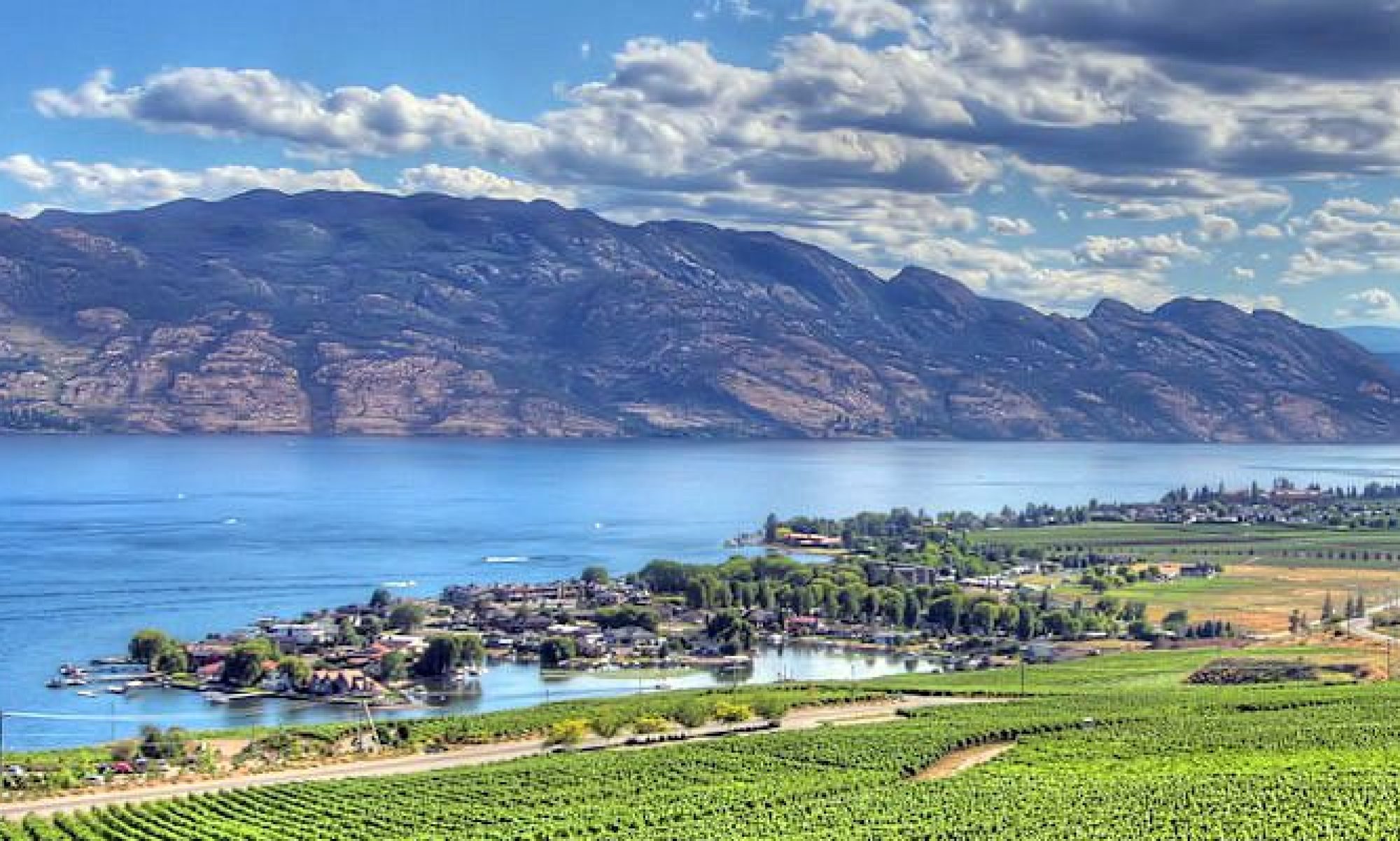
The Okanagan Valley is known for its lakes, orchards, warm-season recreation, and scenic communities. Visitors can enjoy waterfront walks, explore local shops, cycle suitable routes, or spend time relaxing near the water.
The region also has wineries and tasting experiences for adults who choose to participate. However, alcohol-centered activities are not necessary to enjoy the area. If you prefer substance-free recreation or are protecting your recovery, focus on lakeside activities, local food, markets, gardens, and outdoor attractions.
A flexible itinerary lets you enjoy the scenery without feeling pressured to participate in activities that do not fit your preferences.
Discover Coastal Communities and Waterfront Views
British Columbia’s coastal destinations offer a different atmosphere from its mountain regions. Depending on your route, you may discover harbor towns, beaches, forested shorelines, and communities connected by ferry services.
Consider exploring the Sunshine Coast, visiting waterfront neighborhoods, or planning a trip to Vancouver Island. Research ferry schedules and seasonal transportation requirements in advance, especially during busy travel periods.
A coastal drive can be particularly enjoyable when you leave time for short walks, quiet viewpoints, and relaxed meals. Remember that weather can change quickly near the water, so bring suitable clothing and check local conditions before heading out.
Enjoy Outdoor Adventures for Every Activity Level
Outdoor recreation is one of the biggest attractions for visitors wondering what to do in British Columbia. You do not need to be an experienced athlete to enjoy the province’s natural beauty. There are activities for people who want an energetic adventure as well as those who prefer gentle movement.
Walk Through Forests and Nature Parks
Forest trails and nature parks offer an accessible way to explore the landscape. Choose a well-maintained route that matches your fitness level, available time, and comfort with the terrain.
During your walk, pay attention to the sounds of birds, the movement of leaves, and the changing light around you. This can be a simple way to practice mindfulness while enjoying the outdoors.
Spending time in nature may support relaxation and help some people manage everyday stress. For individuals working on healthier routines, a walk can also provide a practical alternative to spending free time in environments associated with unhealthy habits.
Check trail conditions before setting out, bring water, and stay on marked paths. If you are exploring a remote area, let someone know your plans and carry appropriate safety equipment.
Spend Time Beside a Lake or Along the Coast
Not every outdoor experience needs to involve strenuous exercise. A lakeside picnic, a gentle beach walk, or an afternoon watching boats in a harbor can be just as rewarding.
Bring a book, take photographs, or simply sit somewhere comfortable and enjoy the view. These quieter activities provide room to pause and appreciate the present moment.
If you plan to swim, kayak, or canoe, check local safety information and weather conditions first. Wear appropriate safety equipment and follow guidance from qualified instructors when participating in unfamiliar activities.
Try Cycling or a Guided Outdoor Excursion
Cycling, guided nature tours, and beginner-friendly outdoor excursions can help you explore areas that might be difficult to discover on your own. Look for operators that explain the activity clearly, provide suitable equipment, and accommodate different experience levels.
Before booking, consider the length of the activity, physical requirements, transportation arrangements, and cancellation policies.
Choose experiences that feel enjoyable rather than those that create unnecessary pressure. A successful vacation is not measured by how many challenging activities you complete. It is measured by whether the experiences suit your interests and help you make the most of your time away.
Make Your British Columbia Getaway Support Your Well-Being
A vacation can be more than a break from work or everyday responsibilities. It can also offer a chance to reflect on your routines, reconnect with supportive people, and explore activities that help you feel grounded.
Balance Sightseeing With Time to Rest
Trying to fit too many attractions into one day can turn a relaxing trip into an exhausting schedule. Instead, select one or two main activities and leave space for meals, rest, and spontaneous discoveries.
For example, you could spend the morning walking along a waterfront trail, enjoy lunch at a local café, and leave the afternoon open. If you feel energized, explore another attraction. If you need rest, return to your accommodation without feeling that you have missed out.
This flexible approach can make travel more enjoyable, especially for people already managing stress or emotional fatigue.
Use Travel to Practice Mindfulness
Mindfulness means paying attention to the present moment without immediately judging what you notice. You can practice it while walking, eating, taking photographs, or sitting in a peaceful outdoor setting.
Try putting your phone away for a few minutes and noticing your surroundings. Pay attention to your breathing, the temperature of the air, or the sounds around you.
You might also keep a short travel journal. Write down what you enjoyed, what helped you relax, and which healthy habits you want to continue after returning home.
These practices are not a replacement for mental health treatment, but they may complement a broader approach to emotional well-being.
Plan Your Trip With Recovery and Mental Health in Mind
For people experiencing addiction recovery or mental health challenges, travel can be enjoyable, but it may also introduce unfamiliar situations and disrupt established routines. Planning ahead can help you protect your well-being while making room for new experiences.
Choose Activities That Fit Your Recovery Goals
Consider whether particular venues, events, or social settings could make you uncomfortable or expose you to substance-related triggers. If alcohol-centered environments are difficult for you, prioritize nature walks, cultural attractions, outdoor recreation, and other substance-free experiences.
It may also help to travel with someone who respects your recovery goals and understands your boundaries.
If you are receiving addiction treatment, speak with your treatment team before traveling if the trip could affect your appointments, medication schedule, or level of care. People at risk of withdrawal should seek medical guidance rather than attempting to manage symptoms while on vacation.
Recognize When Professional Support Can Help
Outdoor recreation, healthy routines, and supportive relationships can contribute to well-being. However, addiction and mental health concerns sometimes require structured professional care.
Inpatient treatment may be appropriate for individuals who need intensive support in a structured setting. Outpatient care can provide counseling and treatment while allowing eligible individuals to continue certain daily responsibilities. The right approach depends on each person’s needs, medical circumstances, and available support.
Holistic practices, such as mindfulness, movement, and stress management, may complement evidence-based treatment. Faith-based support can also be meaningful for people who want spirituality to be part of their recovery journey. Care should remain individualized and respectful of personal beliefs and preferences.
If substance use or emotional distress is affecting your daily life, reaching out for professional guidance can help you understand your options. You do not have to wait until a situation becomes a crisis to ask for support.
Conclusion: Make the Most of Your British Columbia Visit
From exploring local culture and historic communities to enjoying scenic drives and outdoor adventures, there are countless things to do in British Columbia. The most rewarding itinerary is one that reflects your interests, leaves room for rest, and allows you to appreciate the journey rather than rush from one attraction to the next.
Whether you prefer mountain views, coastal walks, local markets, or quiet moments beside a lake, choose experiences that make your trip enjoyable and meaningful. You can also use your time away to reconnect with healthy habits, strengthen supportive relationships, and reflect on what matters to you.
If you are navigating addiction recovery or mental health challenges, remember that you deserve care that respects your individual circumstances. Travel and time in nature can complement a healthy lifestyle, while professional treatment provides essential support when it is needed.
Explore Blogcat’s resources to learn more about addiction recovery, mental health support, and individualized approaches to well-being. Taking a positive step toward support today can help you build a healthier foundation for tomorrow’s adventures.